Article on The Threat to Green Space and New Hearing Date for Craighouse

From this:

suncraighouse2

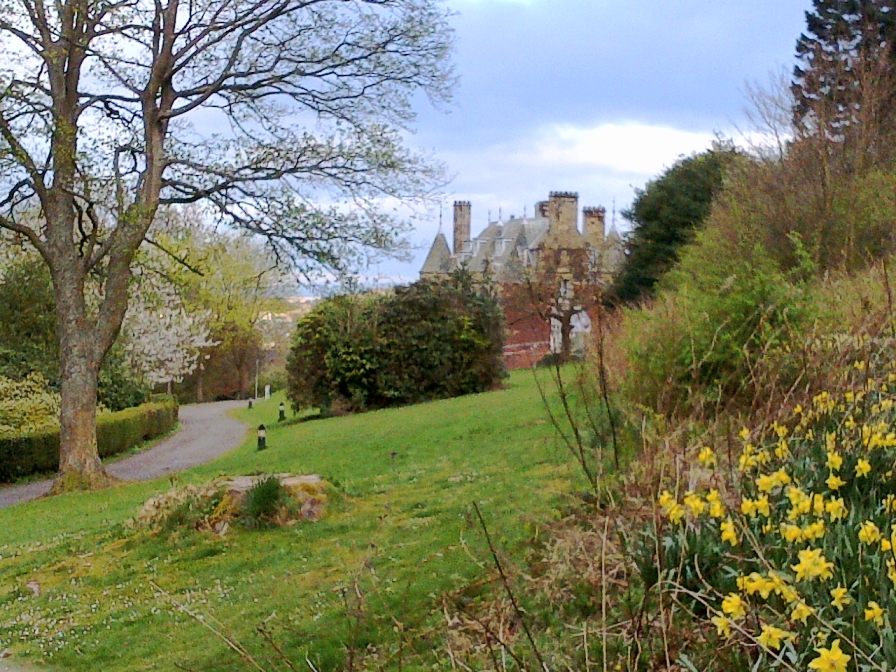
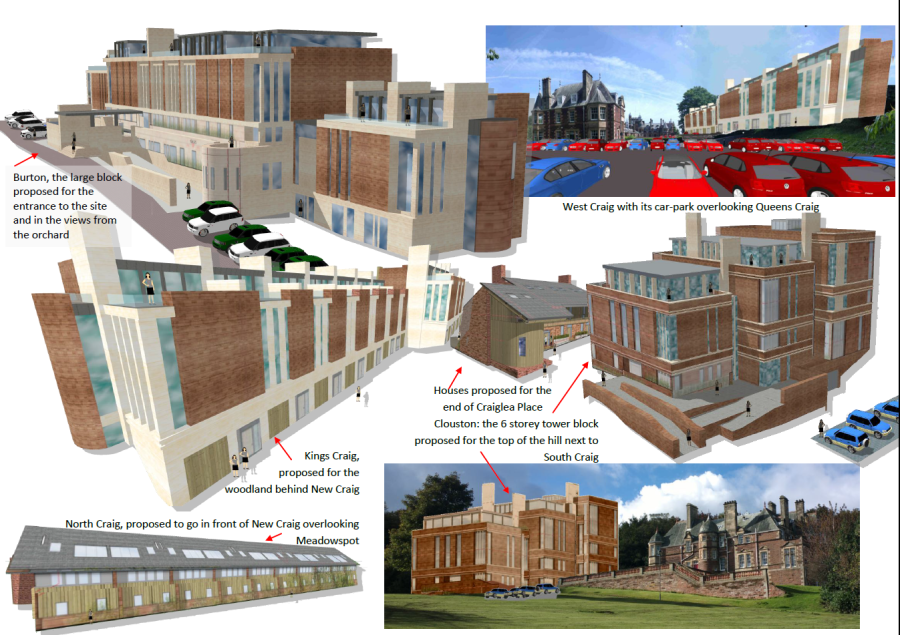
A large housing estate is proposed to the left and right of the main entrance, taking the greenspace, into the woodland, carpark, greenspace area of the bottom lawn, and many of the trees you can see here.

to this:

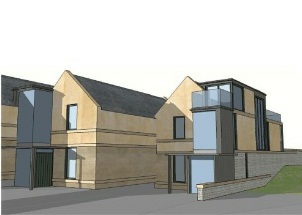
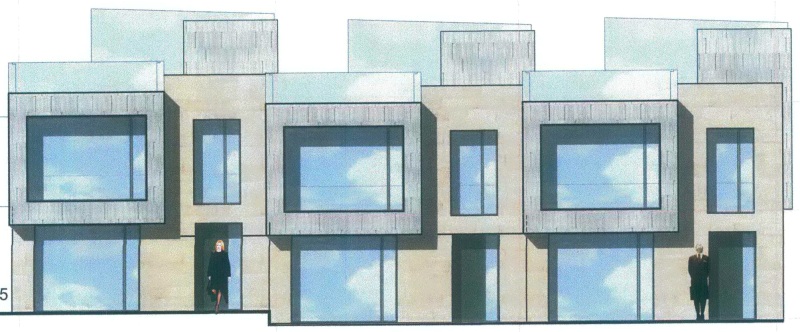
Entrance lodge houses

Entrance lodge houses

Just to let you all know that the hearing date for the planning sub-committee to make their decision on the Craighouse application has now moved. It was originally March then to be in June but the  New Hearing Date: 14th August. This is due to yet another processing agreement being signed between the Council and the developers to continue talks to try and “revise outstanding issues”.  We can only guess that this means things can’t be going as smoothly for the Craighouse Partnership as they would like. However, it remains frustrating that an application that is so clearly unreasonable is not just thrown out directly. The planning system since the 2006 act has become extremely front-loaded – giving rise to these kind of behind-closed-doors protracted situations where the community does not know what is going on.

Getting your head around the planning system can take months, even years. The Council has just published its new Proposed Local Development Plan. (Note,  consultation period for this runs until 5pm on Friday 14 June 2013. See City of Edinburgh Council site for details.) This sees large areas of Green belt proposed for housing.  Not only this but the Council are consistently failing to protect our urban green spaces and protected sites. The new Council administration came in with commitments towards green space – yet there has been nothing done to protect green space so far at all – in fact, the reverse.

Our planning system is being eroded – policies are not being applied and developers are winning appeals to build across protected green wildlife sites against the Local Plan. Meanwhile our brownfield sites – many of which already have planning permission – lie abandoned and rotting.

What is going on?

We look at the wider issues in this article published by Product Magazine. If you care  about green space, your local park, the greenbelt or nature sites – please read to understand a bit about what is going on and why standing up to be counted is so important. The public have resisted so far at Craighouse – we need to continue to stand up and be counted for the sake of Craighouse and all the other important sites that are now coming under threat – and here’s why.

Here is a brief extract:

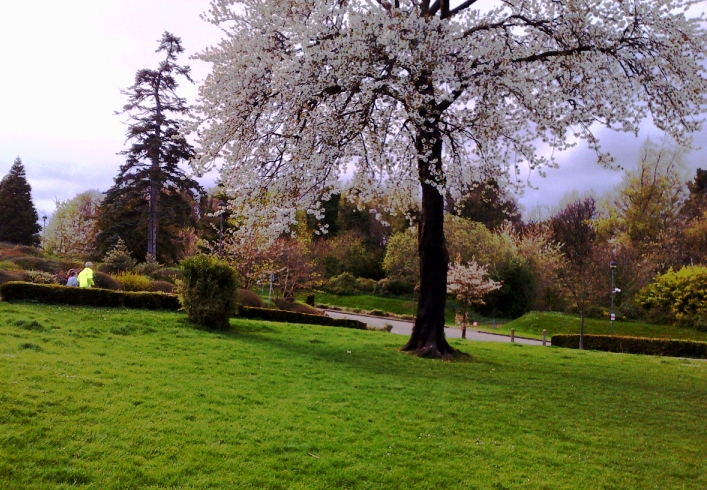
Standing at Craighouse on a spring day – with the cherry trees in flower and the sweeps of daffodils nodding, the heart sinks at the thought of what is about to happen. The proposals are excessive and extremely ugly.  Woodland will be ripped out for institutional-style modern blocks. Where the kids play football on grass under the flowering cherry and memorial trees, the green space will disappear to become just one part of a large housing estate.  Ugly newbuild will ruin the sensational views. New roads and hundreds of car-parking spaces are proposed for this peaceful, wildlife-filled nature conservation site. Approximately 70 trees (we estimate more) and countless shrubs will be ripped out on a site where all the trees have the equivalent of Tree Preservation Orders.  Habitats of protected species are to be destroyed.

The Craighouse Partnership claims the listed buildings are unviable to develop without all this luxury new-build – yet for two years they have refused to release credible financial information to support this.  The sheer number of companies involved – including Sundial Properties, Mountgrange, Napier University, agents, several architects and lobbyist Invicta PA should give an idea of what profits they expect to make. The site was protected when they bought it and they knew then they were not allowed all this new-build. So, why are we in this position?

Read the full article here.

Posted in Uncategorized | 1 Comment

Craighouse in the Sun: a reminder of what we are all fighting for

craighouseinthesun

The grass may be uncut but the site is still spectacularly beautiful

A glorious sunny day. And the site, despite the cut being uncut and some more benches removed – is looking beautiful as ever. A real reminder of what we are all fighting for.

Here are some quick snaps of just a few of those out enjoying the sun and the site just looking lovely, as ever.

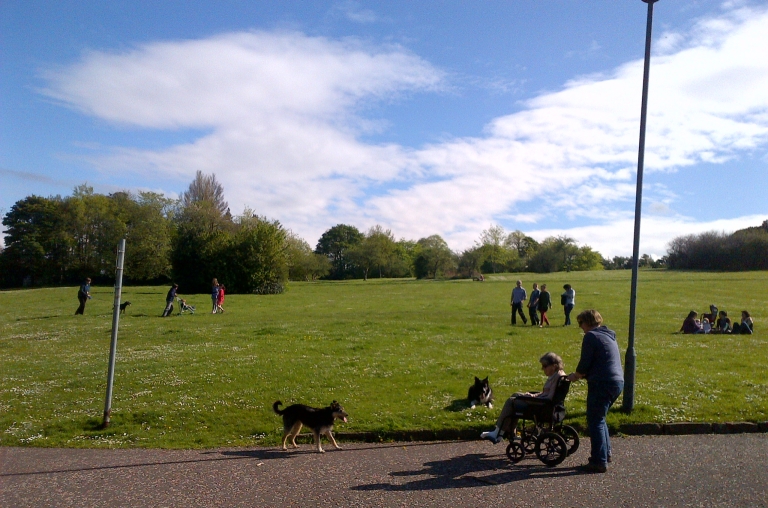
peopleenjoyingthesite

The site is enjoyed by all generations. Here are just some of those picnicking, wandering and playing with their children

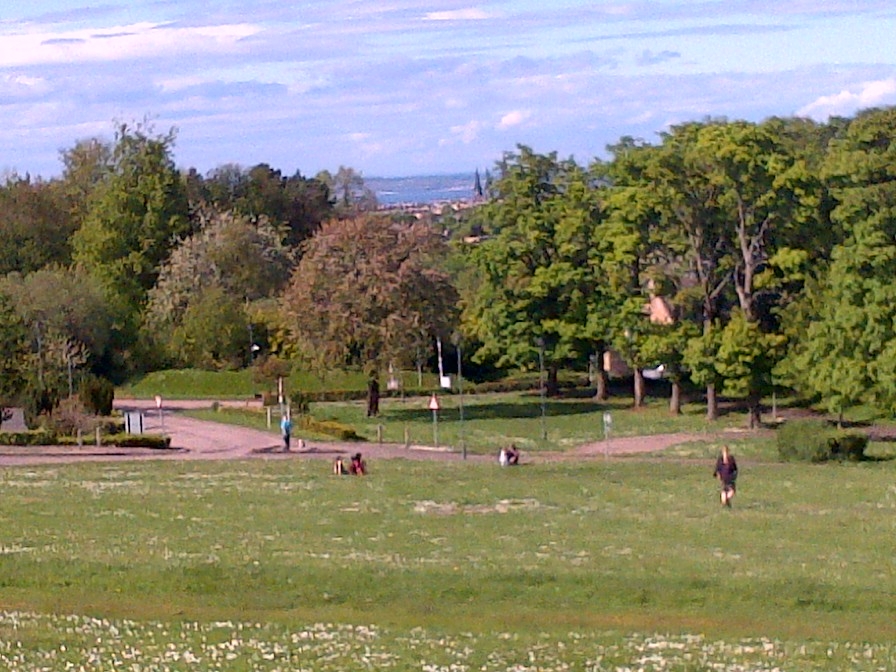
suncraighouse

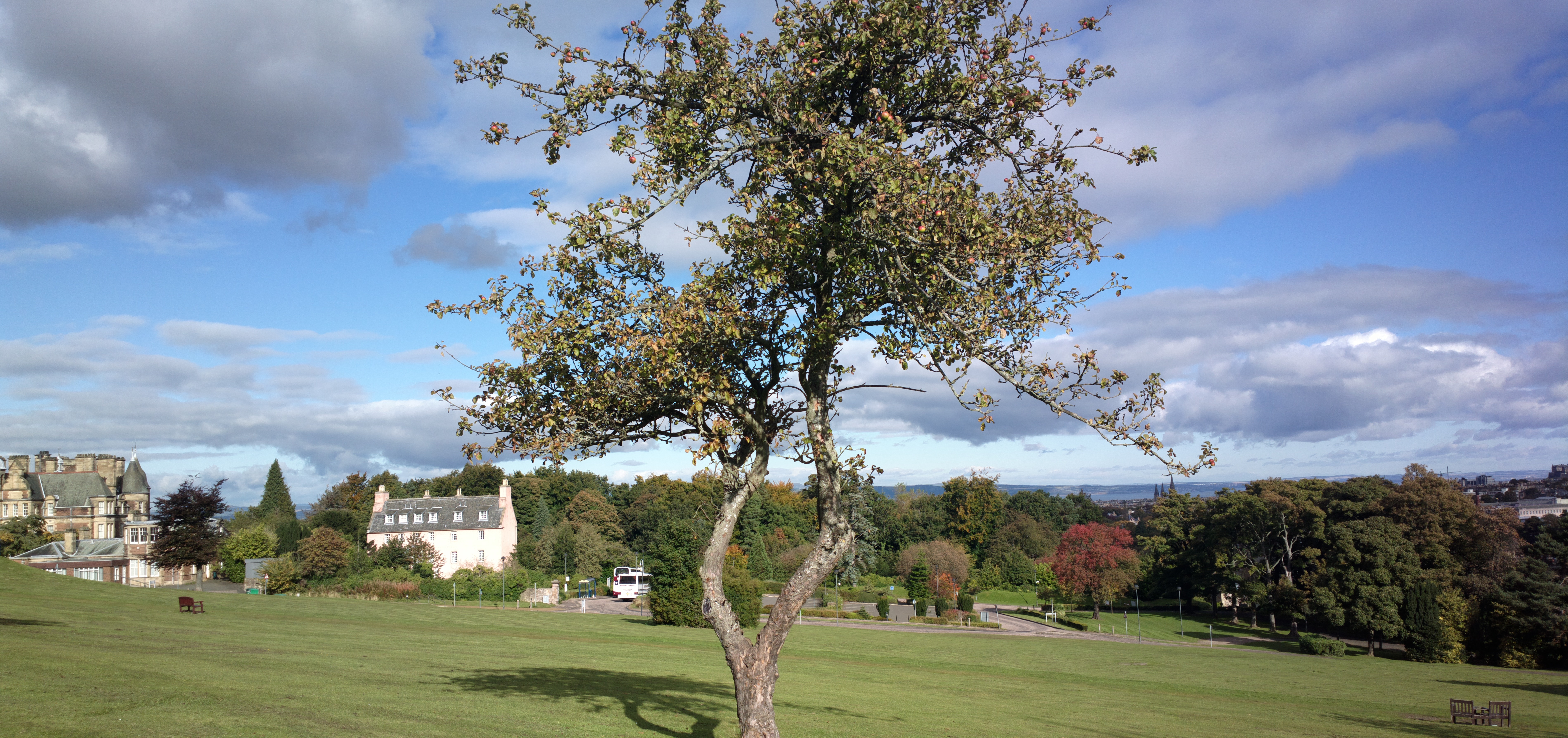
This vista would be ruined by newbuild development

sunnycraighouse

Most of the green space you can see in this photo would be taken for development

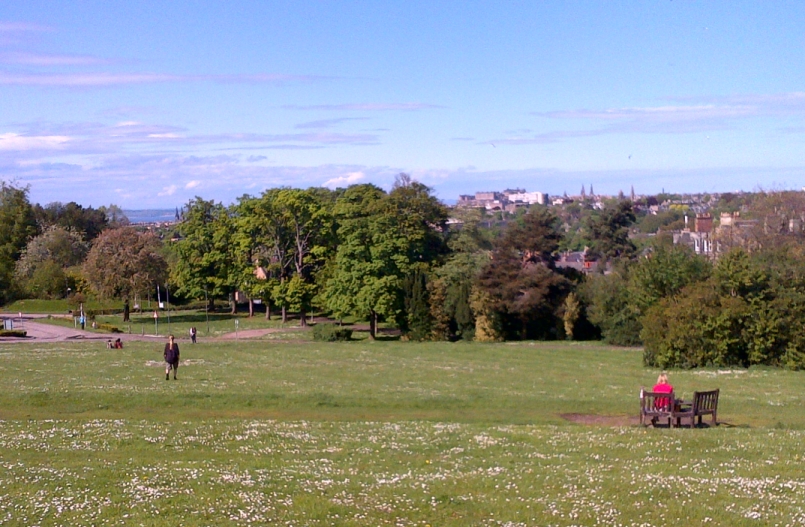
suncastlecraighouse

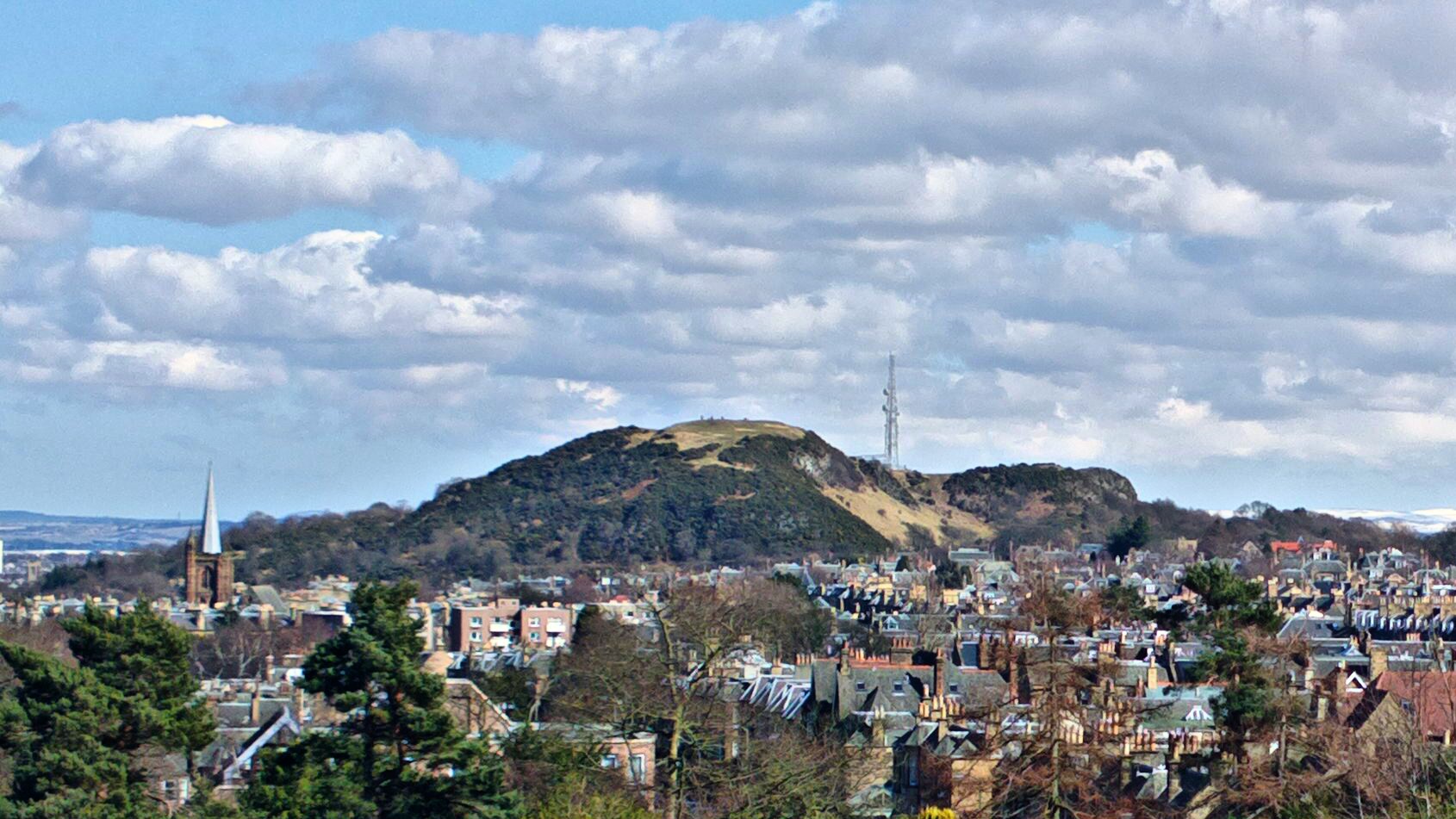
Sitting on one of the few remaining benches and enjoying the panoramic views

Posted in Uncategorized | Leave a comment

Spring at Craighouse

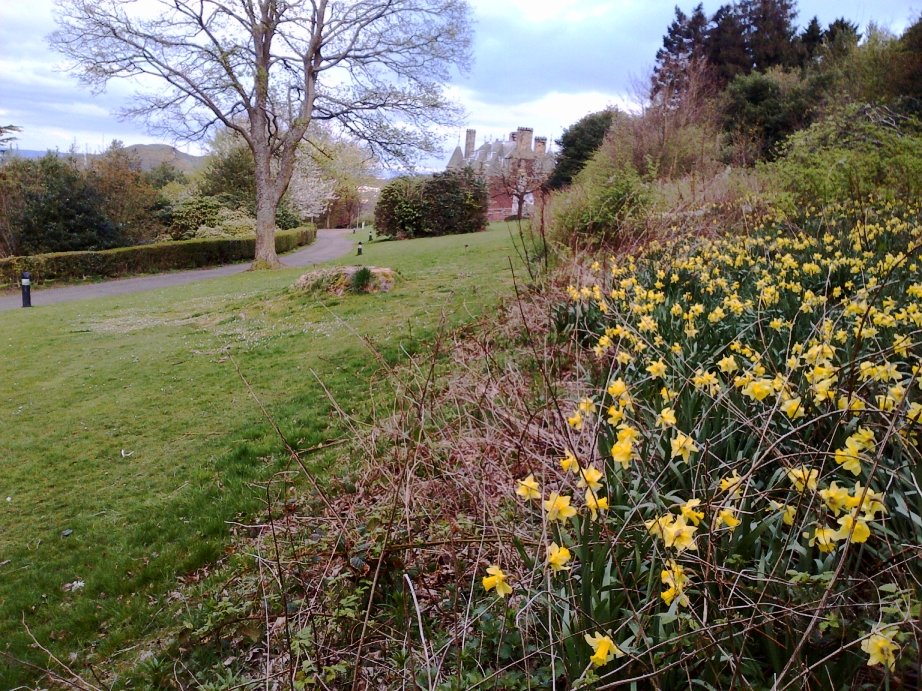
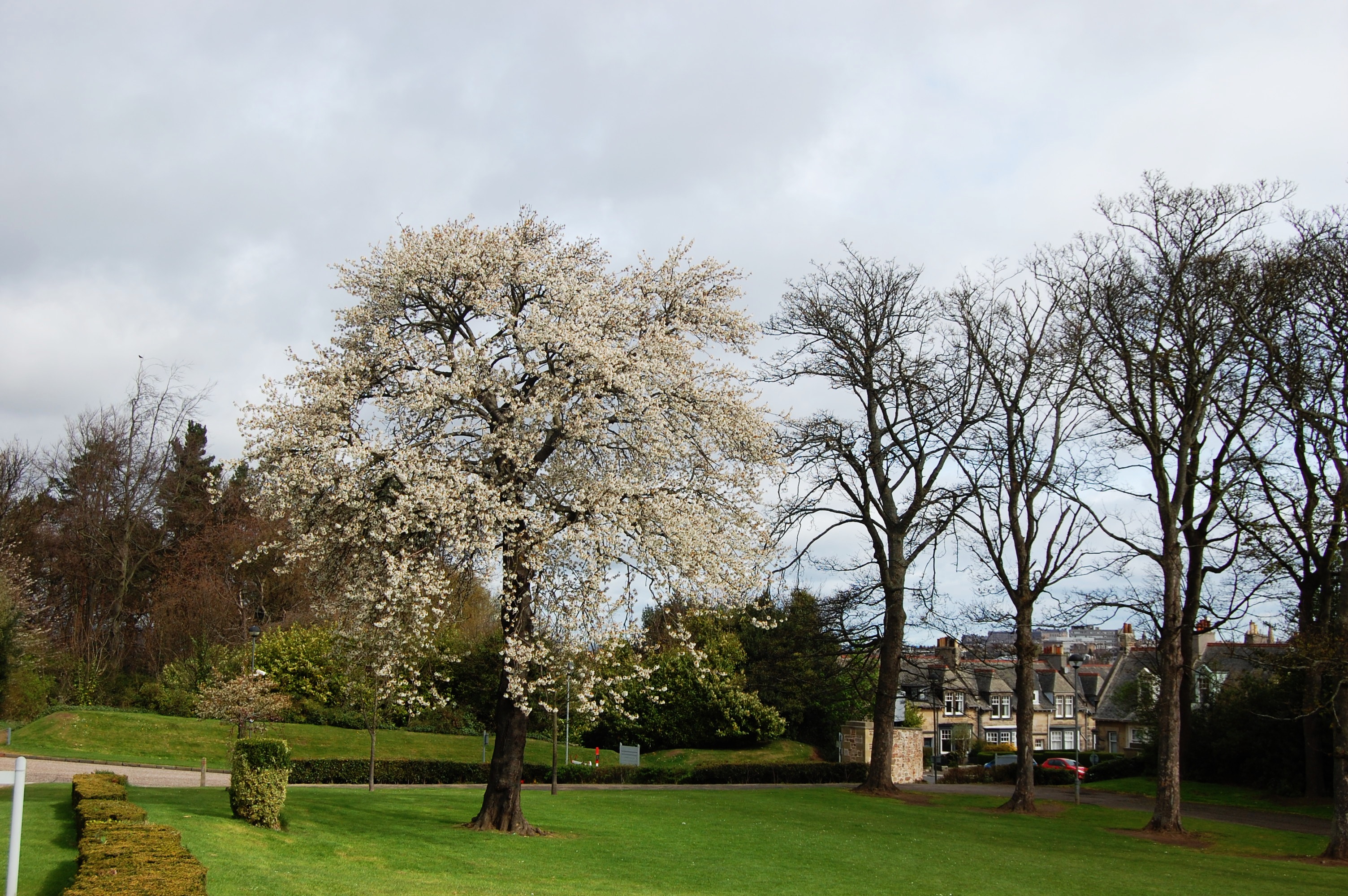
daffs and woodlandSpring is finally here with flowering cherries and swathes of daffodils in front of the woodland.

daffswood

It’s spring! Swathes of daffodils going into the woodland at Craighouse – all this proposed to disappear under massive institutional-style blocks if the Craighouse Partnership get their way

woods

A large area of Woodland behind is also threatened by newbuild with large blocks, private gardens, carparking and metal mesh fencing

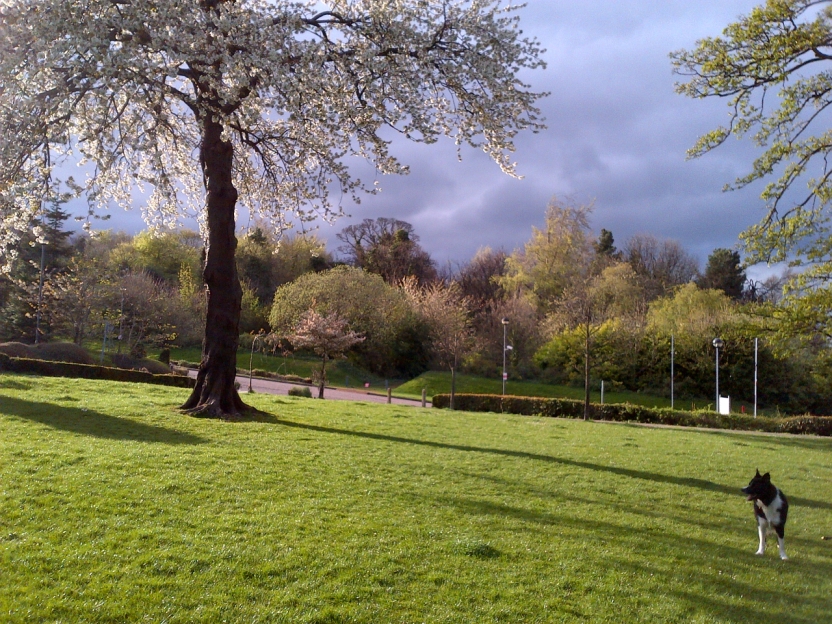
cherryThe area where kids play football under a beautiful flowering cherry. The green space here and a large chunk of the woodland you can see behind is proposed to be built over as part of a large housing estatefootballarea
Posted in Uncategorized | 1 Comment

Measures by Craighouse Partnership that will Affect the Site

DSC_0268e

Main entrance of the site. This whole area is a small fraction of what would disappear underneath a large housing estate – one of the developments proposed for the site

Just to let people know that you may see people putting fencing up around the listed buildings on the site.

This is part of a series of measures announced by The Craighouse Partnership. We understand they will be putting fencing around the listed buildings, putting a security presence at the lodge, blocking the entrances to the buildings and blocking off the main entrance to the site (you will still be able to get in by the lodge or the Craiglea entrance). There are already security cameras installed around the site. They may cut back shrubs around the listed buildings to protect guttering. We may need to get more clarification on what this means. Let’s hope shrubs are not taken out unnecessarily, leaving the site looking sad or less attractive. Trees should be protected in a Conservation Area.

Whilst some measures may be necessary to protect the listed buildings, we are concerned about the blocking up of the main entrance to pedestrian access.

They have also announced that they are going to substantially reduce the maintenance of the grounds, which is certainly not necessary.

Family_outing sept2011

People enjoying the spectacular views from the benches.

We would question the blocking of the main entrance to pedestrians and the substantial reduction of the current inexpensive and minimal maintenance – particularly as Napier is a continuing partner in The Craighouse Partnership and has internal people who can do this and Craiglockhart is maintained locally. This would be a very minimal and inexpensive measure to encourage the public to keep using the site – which is the best thing of all from a security point of view.

We urge William Gray Muir, as a Trustee of Edinburgh World Heritage, to take responsibility towards this site as a publicly accessible beauty spot and not allow any measures to spoil this beautiful site for the general public, the local community and the rest of Edinburgh.

To the local community, we would like to urge everyone to not feel put off by any new measures from continuing to use the site.  Continue to love and use the site. Let’s keep our community commitment and do our best to keep the site as beautiful as we can, no matter what happens in the next few months – any litter, let’s try and pick it up and take it away if we can – even if it isn’t ours. I try take out any litter I see and will continue to do so. (I should point out that the public are very good about taking out any litter at Craighouse but we don’t want to see that change for any reason.) Let’s all make our own effort as much as we are able, to not allow this beautiful site to look less attractive for when the planning committee visit.

Importantly, the community and politicians should hold firm and not allow any measures to distract from the key issue that the Craighouse Partnership should release proper detailed financial information as outlined by politicians, expert organisations like the Cockburn Association and others, and by the Friends of Craighouse and the huge numbers of people who have written in to object to these unacceptable plans. The Craighouse Partnership must produce proper and detailed financial evidence to support any demands for enabling development on this protected site, less alone the excessive amounts they are looking for. So far, the tiny fraction of information on this in the public domain does not add up.

Things may get more difficult, but we must hold out for a good future for this beautiful hilltop site for the sake of Craighouse and also for the sake of other historic and green sites in Edinburgh. Craighouse has seen the biggest show of support from the public for this beautiful site – with one the biggest number of individual objections  ever received for a single application. The Council and community cannot allow the spoiling of the nationally-important hilltop setting of Cat-A listed buildings through excessive newbuild, 8 development sites, carparking for 323 cars, roads, traffic, permanent metal mesh fencing through the woodland and lots of privatised areas; not to mention the destruction of open space and woodland (including over 70 mature trees and uncounted numbers of shrubs), the habitats of protected species and the spoiling or removing of some of the most stunning views in the whole of Edinburgh. If we do, it will affect other historic sites and important landscapes and Areas of Great Landscape Value. (Just to give an idea of the importance – other Areas of Great Landscape Value in Edinburgh apart from Craighouse are Arthur’s Seat, The Botanical Gardens and The Hermitage and Blackford Hill). We have to think of the bigger picture – the preservation of this stunning landscape and the listed buildings for the future and the protection of sites of other important green and historic sites across the city.

The public deserve to see the financial case. The official guidance says:

“If the case goes to appeal, all relevant information will become public; no evidence can be treated on a confidential basis.”

If it stands up to scrutiny – why don’t the Craighouse Partnership release the detailed financial case now? Why continue to keep it hidden from public view?

We understand there should be a hearing later this summer. We will try and keep you updated on that. In the meantime, for the sake of the site, keep using and enjoying this beautiful place and don’t allow yourself to be put off from doing so, no matter what happens over the next few months.

craighouseandtree

Posted in Uncategorized | 6 Comments

The Cockburn’s detailed objection to the enabling development argument at Craighouse

Letter from the Cockburn Association to the planning department objecting to the enabling development argument at Craighouse

Letter from the Cockburn Association to the planning department objecting to the enabling development argument at Craighouse

The Cockburn Association has allowed us to publish their extremely extensive and well-written objection to the enabling development argument for the Craighouse planning application.

The letter specifically emphasizes the official guidance that the council planners are following on enabling development, which states:

“if applicants are unwilling to supply the very information that is the foundation of their case for overriding normal planning policies, refusal becomes all but inevitable. If the case goes to appeal, all relevant information will become public; no evidence can be treated on a confidential basis.”

 We thank the Cockburn Association for their extremely detailed, well-written and well-researched letter. We also think that this letter is a very good contribution to the wider debate on enabling development in general.

Posted in Community groups, Consultation, Finance, Planning process | 2 Comments

Access for Vol-au-vents?

wine, chat, food, chat, whisky…”

(reproduced under Creative Commons License)

It is interesting to read, hot on the heels of the (disputed) allegations made about the conduct of Invicta PA in the House of Commons and our own article on lobbying in relation to Craighouse, to read that the lobbying company that is lobbying Councillors for the development at Craighouse, Invicta PA, in partnership with lawyers Wright, Johnston and Mackenzie LLP, hosted a reception and dinner for senior Labour politicians to meet Invicta’s “business guests” on the eve of the Labour Party Conference in Inverness this week.

According to Invicta’s website, there were similar events at the SNP and LibDem Party Conferences, but we have no detail at all on these.

Invicta writes in Vista, their online magazine:

Last night’s event with local and national Labour politicians included Ken Macintosh MSP, Lewis MacDonald MSP, Claire Baker MSP, Richard Baker MSP and Cllr Barney Crockett (Leader of Aberdeen City Council).  Joining them and us were around 30 business guests from the renewable energy, construction, oil and gas, industrial services and consultancy sectors.

“The evening went exceptionally well; wine, chat, food, chat, whisky and more chat and more whisky (not to mention Jen’s penchant for ‘White Bananas’).  Prof. James Fraser, Principal of the University of the Highlands and Islands Chaired our post dinner discussion on Scotland’s renewable energy industry, its successes, its failures and its future.  

 “The discussion was informative and, in parts, heated, but nonetheless a very interesting debate informed by an experienced group of senior Scottish Labour politicians.  A good and importantly productive night was certainly had by all.  Read on to see more about the debate’s key focus from our keynote speaker, Shadow Finance Minister Ken Macintosh MSP and Labour’s Shadow Energy Minister, Tom Greatrex MP.”

Well, it’s nice to know they all got along so famously, the whisky slipped down a treat and that it was an “importantly productive night”.

Yesterday, on another topic, I asked for a meeting with an Edinburgh MSP, to which I was told that there were rules to say Edinburgh residents were not allowed to meet MSPs outside their immediate constituency area. This is no criticism of the particular MSP’s assistant – who was very polite and helpful. I phoned another political party to see if there was such a rule and they confirmed their belief that there was. So, why should it be a problem for ordinary people or community groups to ask for a meeting when elsewhere politicians are being wined and dined by lobbyists with their clients and a whole heap of whisky involved?

Did Mountgrange attend Invicta’s event?

Is it fair that someone like Mountgrange’s Manish Chande, for example,  who does not live in Edinburgh and whose company is based in offshore tax haven the Isle of Man,  may be introduced as a “key client” to senior politicians – but ordinary Edinburgh citizens and community groups cannot meet wider City politicians in their own city?

Do you have to throw a wine reception to get access?

What the Scottish Parliament Code of Conduct says about Politicians and Lobbying

The Scottish Parliament, in fact, has a very good set of guidelines in the Code of Conduct for MSPs.

It says that:

“The public must be assured that no person or organisation will gain better access to, or treatment by, any member as a result of employing a commercial lobbyist either as a representative or to provide strategic advice. In particular, a member should not offer or accord preferential access or treatment to commercial lobbyists or their employers. Nor should commercial lobbyists or their employers be given to understand that preferential access or treatment might be forthcoming from another MSP or group or person within or connected with the Parliament.”

It also says:

“Members may participate in events for which others are charged a fee to attend. Participation, for example, in a conference or seminar for which delegates are charged a fee may be a useful means of a member gathering a range of views on a topic. There could be some concern, however, that events falling into this category could be a means of “buying” access to MSPs. It is important that there should be no grounds for such a perception. No preferential treatment should, therefore, be offered or accorded any person or organisation as a result of having made initial contact with a member at such an event.”

In addition, members should:

  • “consider whether a meeting with one group which is making representations on an issue should be balanced by offering another group with different views an opportunity to make representations;
  • consider keeping a record of all contacts with lobbyists;
  • consider arranging for an assistant or researcher to take notes at any meetings with lobbyists.”

How will all the politicians who wined and socialised at the Invicta event make sure they give equal access to those communities opposing the schemes that Invicta are presently lobbying for? Is it appropriate for MSPs and other senior politicians to be keynote speakers at events organised and thrown by lobbying companies? Who paid for the event? How was it presented to the politicians? Why is it not openly advertised to the public or mentioned by any of the politicians who attended on their websites or other social media? Who were the “clients” of Invicta PA who attended this event? As their names have not been released, how can the public be assured “that no person or organisation will gain better access to, or treatment by, any member as a result of employing a commercial lobbyist“?

It is particularly interesting that whilst the politicians were listed, the businesses that attended Invicta’s event are veiled in secrecy. In order for the Scottish Parliament Code of Conduct to be meaningful for politicians, it must be transparent who politicians are meeting at such events and who is paying for these events. Invicta PA should list their clients publicly on their website.

Invicta PA does not list their clients on their website – one of the reasons that lobbyists come under criticism. Labour MP Thomas Docherty, who is presenting a private members bill to the UK House of Commons on lobbying, talks of the way lobbyists can play projects off against each other – or gain access to politicians under the guise of one company in order to further the interests of another.

Meanwhile Labour MSP Neil Findlay is trying to introduce a Transparency of Lobbying Bill to the Scottish Parliament.

On members of the public and MSPs

Having looked at the Code of Conduct, whilst an MSP may not take up an issue out of constituency area without permission from the constituency MSPs, I have not been able to find anything written about not being able to meet MSPs outside their constituency area. So we will be looking into this further.

Posted in Community groups, Political process | 11 Comments

Spring is in the Air

frogCame across this little fella (fellowette?) on the path near the tennis courts traveling towards Craiglockhart pond to breed. Each year these plucky amphibians undertake a mammoth journey to get back to their breeding pool where they were born. I even encountered one  coming down off the hill in the dusk near the Craighouse listed buildings’ Queens Craig – heading Craiglockhart Pond way. I very nearly stood on him/her.

This one saw my trainer hovering midair and did this (froze) whilst I bounced about on one leg to avoid a collision. A few minutes later he/she was still pretending to be a bit of green paint or a suspciously frog-shaped stick.  Here s/he is again still rooted to the spot:frog spring 2013-2
They are fun to see out and about, but keep an eye out for them across the site at the moment  –  because it would be very sad for anyone to step on one.

And wish them luck on the final lap of their long journey!

Posted in Uncategorized | Leave a comment

Challenging “reprehensible” Behaviour of Lobbyists in the Planning System

There is a growing awareness of the problems of lobbying and lobbyists both in Scotland and UK-wide. The Scottish parliament has been looking into the issue, David Cameron promised to crack down on lobbying – and didn’t, and a recent Private Member’s bill was put forward in the House of Commons by the MP for Fife, Thomas Docherty. You can read the full debate in Hansard here.

Last month, a report into lobbying was released by Spinwatch detailing some of the excesses of lobbying in the planning process. Please click here – we recommend you read this if you want to find out just how embedded into the planning system lobbying has become and just how worrying their methods.

What are lobbyists?

Just to quickly clear up – lobbyists are not just PR companies. Lobbyists are companies that lobby politicians and government on behalf of their clients. Some may boast about their abilities to get planning permission in the face of large local opposition or against planning policy.

Mark Cummings’s slogan at Invicta PA, who work on the Craighouse development is “If you need advice on how to do business with Government then call Invicta. We make the seemingly improbable become possible”. Cummings previously worked for PPS on Mountgrange’s other unpopular scheme – Caltongate. PPS was one of the companies featured in a Channel 4 Dispatches investigation into lobbying in 2007. Their Scotland branch is headed up by Donald Anderson – ex leader of the Council who caused some controversy about his joining of PPS after his active support of the unpopular Caltongate scheme whilst in office.

Rules of Lobbying

There are currently very few rules governing lobbying in the UK. Some politicians would like to introduce regulation, while most lobbyists want to avoid this in favour of a system of voluntary self-regulation. Invicta PA refuse to be part of any of the voluntary self-regulation groups.

Craighouse and Invicta PA

The lobbyist who represents the Craighouse development is Invicta PA.

They have been at the centre of a great deal of controversy recently.

If you responded to the original consultation, then it is to Invicta PA that your response went. You may have seen Mark Cummings, or his colleague, Neil Cuthbert, at consultation events or talking to politicians and attending Community Council meetings. An official report of the public consultation was submitted as part of the planning application. They put together public information such as exhibitions, regularly meet politicians about Craighouse, write up minutes, put together letters and public information and regularly meet with the Community Councils as well as putting together the Community Liaison Forum.

Allegations of “Reprehensible” Methods Used in Lobbying

Using his parliamentary privilege, MP Thomas Docherty made a set of serious allegations against Mark Cummings and his lobbying company, Invicta PA, in the House of Commons, calling their behaviour “utterly reprehensible” and outlining what he saw as Invicta PA’’s “unacceptable” lobbying techniques.

He outlined some of the methods used by lobbyists as putting up candidates for Community Councils, getting employees to pretend to be journalists, putting plants into meetings, using people with personal relationships to them to head up Community Liaison Forums and bullying and intimidating members of the public who disagree with schemes.

You may read more in the Evening News here or Hansard here. Mark Cummings is presently challenging the allegations made about him as you can read here.

Lobbying Regulation

It is essential, in our view, that any new lobbying regulations require lobbyists to state who their client is: so that people can make a complaint safely. We believe the system would serve everyone better (including lobbyists’ clients) if complaints could be dealt with through some kind of professional independent procedure.

Lobbyists should also list all their clients to avoid the ability to create an interconnecting net of political favours and to keep the system properly transparent and above-board. There should also be an independent publicly accountable body to which people can complain.

Lobbying and Pre-Application Consultation in Planning

Fairly recently the Scottish Government made it a requirement that developers had to go through a period of pre-application consultation before submitting an application to planning.

Whilst, in theory this might be a good idea as it should allow a developer to make better more acceptable plans – the reality is that there is no system to ensure information put to the public is objective and correct or even bears any relation to the final application.

An unforeseen result is that it has created a whole new industry of lobbying within planning as developers take on lobbyists to manage these processes and lobby politicians and government for them. This is not good for communities or encouraging respect towards planning policy.

Most of you will have been aware of this process through the two rounds of exhibitions that took place about Craighouse. The fact that the plans at Craighouse have been the most unpopular ever submitted to the planning department is testament to some of these problems.

Information given out by lobbyists is not objective and serves the developer

Communities are asked to debate complicated issues and competing needs, based on information that is not impartial, may not provide facts that are inconvenient to the developer (like the protections and designations on a protected sites like Craighouse for example) and  is about serving the developers’ interests only.  The community can be given deficient or inaccurate information with no system to oversee or correct this. Indeed, planning departments do not get involved in pre-application consultations and will often refuse to even meet community groups.

There is also a danger that this system may be exploited at the appeal stage. The community is involved in a legal wrangle from the outset, but don’t know it and have no team of “agents” “lobbyists” or lawyers to help them negotiate the system. It is the equivalent of being in a courtroom with no lawyer.

The only benefit of the consultation process is that it gives communities “early warning” of controversial applications.

Being Transparent about Who a Lobbyist Represents

Thomas Docherty brings up many methods lobbyists use. Many of these are not illegal but obviously are not in the spirit of proper consultation.

For those that dismiss such issues as “conspiracy theories” it is worth remembering on a large project we may be talking tens of millions of pounds profit if you can force a development through against planning policy.

Why else do you employ a lobbyist who boasts of making the improbable possible? And if it is improbable – what methods are required to make it possible?

We do not think it is appropriate for lobbyists to be running such consultation processes with the community. Not only that – but we don’t think planning matters should be a matter of lobbyists, who have access to government and may represent many powerful companies, pushing politicians, MSPs, and others.

The front-loading of the system does not “iron out” problems because communities do not have access to proper independent objective information and they have no proper power in the system.

Even Community Councils are lobbied before they get the views of their community or see plans. An email from Napier on this subject as early as Dec 2010, obtained through an FOI, talked of a meeting between Mountgrange and Napier where they decide to meet Morningside and Craiglockhart Community Councils as soon as the contract was signed  to get their “buy in”. Is this appropriate? CCs are supposed to represent their communities – why should developers talk about getting their “buy in” before the plans are even drawn up or the local community consulted?

[Note. This article is not seeking to criticise the community councils who thankfully did reflect the views of their communities in relation to Craighouse. However, big questions need to be asked about the appropriateness of the above system: who this pre-application consultation is actually for and who it benefits.]

Threat

The Friends of Craighouse have in the past received legally threatening emails from the Director of Invicta PA.  We also received a lawyer’s letter threatening us. However, there is no way of complaining about this to anyone or taking it up with Invicta PA’s employer – because they do not declare who their client is.

When receiving threatening emails from Mark Cummings, he referred, variously, to his “client” or “clients” and failing to answer the question of who his client (or clients) is/are  – instead telling us that we knew who they were. Finally, he said he represented the Craighouse Partnership.

But The Craighouse Partnership is a fairly loose association of companies that has changed over the last two years. It was originally Napier, Mountgrange, Sundial and LA&P. Now it is Napier, Mountgrange and Sundial.

Does Mark Cummings represent all or some of those companies? Does he, for example, represent Napier?

We wrote to Napier University and asked if Invicta PA represent them.  Here is their (very) prompt reply:

“”we don’t employ Invicta in any capacity””

Yet Mark Cummings said Invicta PA represented The Craighouse Partnership of which Napier is a main partner. We asked Napier to clarify. They said:

““Yes, we’re part of the Craighouse Partnership, but we’ve no responsibility for taking forward the planning process. 

We do deal with Invicta given their appointment by Mountgrange but we don’t instruct them to undertake any work, and nor do they work for us.””

But Napier has their name on the planning application and are part of The Craighouse Partnership and are looking to make money out of what is one of the most unpopular proposed developments of protected space Edinburgh’s ever seen. Yet they deny Invicta PA represents them or that they have anything to do with the planning process itself?

It is worth noting that for all their public prominence on this project, Sundial ‘s name is not even on planning application form. Only Napier and the mysterious Craighouse Ltd – an offshore company registered on the Isle of Man that we understand is owned by Mountgrange.

Why does this matter?

Transparency of lobbyists in terms of their client lists and who they represent may seem like one of the smaller points raised by Docherty’s parliamentary speech. But it is quite fundamental. It makes the system and institutions and companies untransparent and unaccountable for their actions. It cuts the public out of knowing what is happening and why. It also allows communities to receive threats without being able to complain to the lobbyists’ employers or have access to independent bodies. Indeed, making a complaint to a lobbyist may in itself trigger legally threatening emails. Which can intimidate and silence communities.

If a company chooses to use a lobbyist that refuses to name its clients, you have to question why. A public institution with certain codes of conduct may sidestep these codes by using a lobbying company that is not part of any regulation. Lobbyists may get access to politicians because of one company – and push the interests of another without that politician realising that they even represent that company. Without openness about clients it is harder to see where projects may be being played off against each other or used to help each other when such things should not be part of the process.

To summarise: lobbyists must be regulated, they must declare client lists, they must be clear about who they are representing at all times, there must be a system of complaints that can go to an independent body.

Communities should know who they are dealing with – and politicians also.


We will follow-up with Sundial Properties to see if they are a client of Invicta PA and – if we can –  Mountgrange Real Estate Opportunity Fund and its mysterious offshore company, Craighouse Ltd.

Posted in Consultation, LA&P, Mountgrange, Planning process, Political process, Sundial, Uncategorized | Tagged , , , , | 5 Comments

What is going on with the Figures? Application shows New-Build Making a Loss?

It has been said many times over this development that the new-build is there to subsidize the old.

So why, when we see the scant figures* provided by the Craighouse Partnership in their application, is the new-build actually LOSS-MAKING?

How, if this was the case, would it help subsidize anything?

Costs: Conversion vs New-Build

Conversion of Listed Buildings

The Craighouse Partnership have referred to the costs for converting the listed buildings in written correspondence. In one letter they claimed the conversion costs were more than double £10 million… In another letter  we were led to understand the conversion costs to be well under £22 million.
We were given more detailed conversion costs at the meeting with William Gray Muir and Mark Cummings of £125 per square foot. (Although we should point out that the Craighouse Partnership refused to agree minutes of this meeting and subsequently wrote their own – with most of the interesting information excluded. You may read about this saga here: see discussion under “Capital Costs”.)

All these assertions coalesce at approximately £20-£21 million, so we’ll stick with that.

Cost of the Newbuild

The application puts the total cost for both the construction of the new buildings and the conversion of the old buildings at a hefty £58 million.

On top of this, is claimed over £12m of fees and taxes. That means that the construction of the new houses must be around £37m, with at least £6m of extra costs for fees and taxes on top – i.e. £43 million.

This works out at over £250/sqft, twice as much as William Gray Muir’s quoted cost of converting the listed buildings of £125/sqft.

Wow.

As new-build is normally a lot cheaper than conversion – we appear to be looking at mightily expensive newbuild development here!

Great, you say. They must be going for something of quality.

But not so fast…

It’s clear, from the figures provided, that the sale price per square foot that the Craighouse Partnership are expecting for their houses is about the same as the average flat price in the area at £277/sqft (based on a study of prices on Zoopla) – but less than the average terraced house-price for the area. (Indeed, that price is even less than recent sale prices of flats on Balcarres St). So, these new build properties are comparatively low value.

East side of orchard

Including 55% of the £10million site price (as the new-build is 55% of the saleable properties) – the cost of the new-build goes up to £283/sqft, yet is only being sold for £277/sqft. Which means that, not only is the new-build not profitable, according to the Craighouse Partnership, but it is loss-making!

As we showed in the last post, the Listed Buildings themselves ARE profitable. With the cost of the Listed Buildings conversion just £193/sqft and with a sale price of a conservative £277/sqft – this gives a healthy profit on the old-build, whereas the new-build provides a loss .

This does not appear to make any sense. Even taking away some of the costs for new roads etc it still makes no sense. Remember, the roads are part and parcel of the new-build and not needed with a simple conversion of the listed buildings.

How, then, is it possible for the newbuild to be subsidising the old build? Unbelievably, it looks like it’s the other way round!

Listed conversion total New-build total Listed conversion/ sqft New-build/ sqft
Construction
£20,000,000
£38,344,200
£125.00
£215.42
Fees, taxes etc
£5,850,947
£6,509,179
£36.57
£36.57
Land
£4,402,516
£5,597,484
£31.45
£31.45
Total
£30,253,463
£50,450,863
£193.01
£283.43
Sale price
£38,857,363
£49,404,362
£277.55
£277.55
Profit
£8,603,900
-£1,046,501.27
£84.54
-£5.88

What is Going On?

Why on earth would a developer want all this newbuild – and such a lot of it too – when it ISN’T EVEN PROFITABLE?

Explanation One. The costs of the new-build have been inflated to a ridiculous degree to try and fit them  into the Enabling Development rules to make it seem like they aren’t making a huge profit from the new-build – when they really are.

Explanation Two.  Mountgrange have no intention of building the stuff and are merely looking to increase the land value of the site and either to  land-bank or sell on.

Queens Craig monstrosities

So – which is it?

Well, these explanations are not mutually exclusive and both could be in play at the same time. It seems clear that the costs have been inflated. Huge amounts of extra profits seem to have been “buried” in the construction costs and fees, thereby reducing the profit on paper to fit  with Enabling Development Guidelines. We estimate the REAL profits of the scheme are in the region of £30 million.

However, we need also to remember that Mountgrange call Craighouse “strategic land”. This is land that has a 5-10 year strategic plan on it and doesn’t need to be developed for many years. It is perfectly possible that Mountgrange have decided to  hedge their bets with a plan that will allow them either to build out the site or make large amounts of money merely by getting the planning permission without developing the site.

Of course, this has long been a suspicion in the local community. And if this is the case, the granting of consent for this new-build is a potential disaster for the site – because the likelihood will be that once consent is obtained the site will be more valuable undeveloped than developed. The site will then sit there for many years – like Donaldson’s School and like Caltongate (Mountgrange’s previous scheme) and the Listed Buildings will be in danger of falling into dereliction.

So what should the planning department do?

If we want the listed buildings to be developed as soon as possible,  and the landscape to be saved – the planners must hold out against the threats of the developers.

The example that the Craighouse Partnership always uses  –  Donaldson’s School – is an example of a site that was given planning consent for new-build. Strange though it is to understand – that is WHY it is lying undeveloped to this day. It became part of Cala Homes’ massive land bank which they advertised to their shareholders as the following:

“Having invested heavily in our growing land bank since 2010 we are now very well positioned to grow the business significantly in the next five years.

“Cala’s current land bank comprises 15,300 plots…which represents about 10 years output”

Once consent is achieved, a company can leave a site – which has, in effect, already made a profit on paper – for maybe 10 years. There may be no incentive for them to develop the site sooner rather than later – or even at all. They may well decide to sell it on a few years down the line and the whole thing can start again.

If a site such as Craighouse is sold on with such consents, new developers may well hold out for yet more new-build – having paid a higher price for the site. And so, this vicious circle starts again.

This terrible system is why so many sites are in the mess they are in.

The only way to make a developer actually get on and develop the Listed Buildings is to make this MORE financially advantageous than selling it on or keeping it as an asset on paper. And the only way of doing that is to not let them increase the land value without having to develop the site.

There IS a way of increasing the value of the site quickly and easily at Craighouse: by developing the Listed Buildings.

Allowing a consent for apparently “unprofitable” new-build will allow the land value to be easily increased with no extra expenditure, but the Council and community will then have no leverage to make sure the development happens.  If there is no real incentive to develop because the land value has already been increased by easy obtaining of consents, we are looking at a situation where the listed buildings could be under threat by being left, maybe for years.

The truth of the situation is that the Listed Buildings are profitable as we already showed in the last post, and would make a great conversion. The developers’ focus on excessive new-build takes the attention away from them and creates  a very high risk that they will go the way of  Quartermile (around half a billion pound loss and some important listed buildings demolished) or Donaldsons School (land-banked).

It is hard for planners and Councils in these situations. Developers play long games. But in this case the planners, Councillors and community must resist excessive new-build if they want development of the Listed Buildings to actually happen and if they want to save them and the spectacular landscape around them for the future.

——-

Note: This is the second of our financial analysis articles based on the current application. It should be noted that we have carefully studied the financial information available and we cite our wider research and assumptions in this piece. However, the Craighouse Partnership MUST release proper detailed figures under Enabling Development Guidelines and we would urge them to do so. This development needs proper public scrutiny.

Posted in Finance, Uncategorized | Leave a comment

Craighouse Listed Buildings are Profitable, Application Proves us Right

Finance is the watchword that has come up again and again at Craighouse.

It can be hard drilling down into figures. People who don’t feel confident with them can switch off or – worse – take everything the developers say on trust. But often it is just about a bit of common sense.

The Craighouse Partnership have tried consistently to undermine the Friends. But there have been many people over the last two years who have said they have come to trust the FoC more and more because, as time goes on, we tend to get it right.

And so it’s been quite interesting to see that the application now agrees with our earlier estimates of the average unit price of the homes at Craighouse.

Let’s remind ourselves of William Gray Muir’s letter to the Morningside Community Council about the Friends last year:

“The FOCGAW have made great play of their own financial analysis of the viability of the development of the listed buildings in isolation. They state that their analysis is backed by an expert  “close to the planning application”. Whatever expertise this unspecified individual has, it is clearly not related to development finance.

“…they postulate an end value of £36m for these 66 units, which suggests an average value of approximately £545,000. Given that, in New Craig, for example, the average apartment has only 2.6 bedrooms this is a highly fanciful number. It is possible to buy a terraced house in Morningside for not much more than this amount. Our estimate of the values is very substantially lower than this average figure”

So, it is interesting to see in the summary finance page of the Craighouse Partnership’s planning application that their average price per unit is…da da!…£575,000. (With their own estimated end taking of listed buildings PLUS newbuild being £88million.)

Ah but, you say, this surely includes the new houses? And it those that will be pushing up the average unit price.

What many don’t realise is that most of the apartments proposed for the listed buildings are extremely large – 2 bed or not. And we now know that from early 2012, the Craighouse Partnership were showing example flats and prices in the listed buildings at over £520,000 for a two bedroom flat and…wait for it – £730,000 for a four bed flat.  With the majority of the flats in the listed buildings 2-4 bedroom and even a couple of 5+ bedrooms, it looks as though our average estimate, in fact, corresponded very closely with the Craighouse Partnership’s example flat valuations.

These valuations show the developers valuing the flats in the listed buildings as almost bang on £274 per square foot (remember they paid £70 per square foot as stated on Mountgrange’s website.) Which means they are valuing the listed buildings at a total of … £38.5 million.

Hmmm. So it looks like the Friends’ “highly fanciful” number of £36million for the listed buildings alone is not looking quite so “fanciful” after all….

(In fact, we suspect it is likely even higher than £38.5 million from a closer study of the average price per square footage in equivalent properties in Edinburgh and we will be writing more about this in due course.)

What this shows is what we have always suspected – that the listed buildings ARE profitable alone.

With an estimated conversion cost of £20 million, Mountgrange would yield a healthy £18 million which would give a profit to Mountgrange of at least (with the most conservative estimate) £8 million – up to 80% return on their investment in a market where 14% is presently considered good. Remember, that’s just Mountgrange’s profit. Sundial would take their profit as a cut from the £20m of around £2m-£4m as well.

Even taking away substantial amounts for fees, marketing, stamp duty etc. And even paying some enormous sum to the developers’ lobbying company (which we would argue they do not deserve!) Mountgrange should easily make far more than their required 20% return on investment.

We have been analysing what little financial information there is in the enormous planning application and will be bringing you much more detailed information and analysis on this – despite the fact many of the figures quoted in the application simply make no sense.

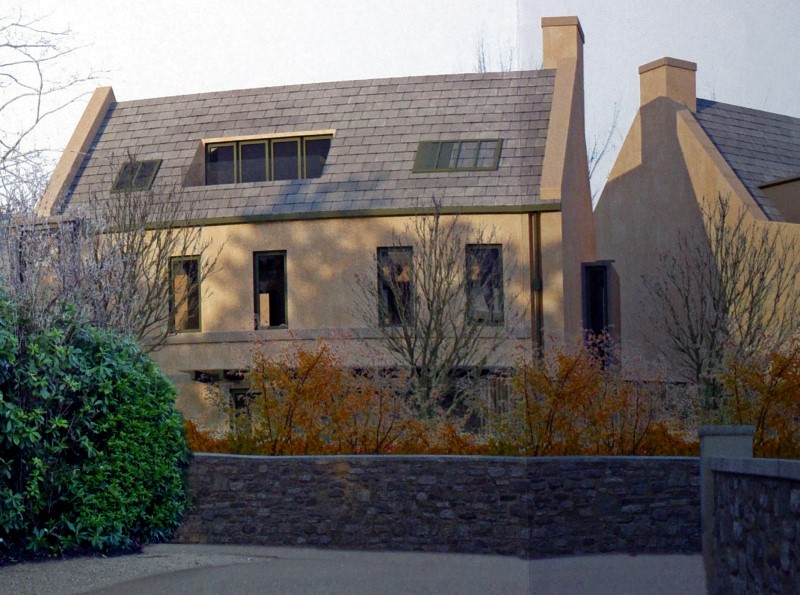
Entrance lodge houses

Proposed houses for lodge entrance

The Craighouse Partnership won’t like this. Because they want to make an absolute killing: where they clean up both in terms of profit and extortionate professional fees. Under Enabling Development Guidelines they are not allowed to count the original £10 million they spent because Enabling Development is for sites that can’t find buyers, not for sites that have a bidding war. Either they can do it as an Enabling Development and wave goodbye to the cost price. Or they should give up trying to pretend it’s an Enabling Development and do up the listed buildings and take the nice clean profit to be made.

The fact is that if they had done the listed buildings quickly they would have had a nice profitable scheme. If they do the listed buildings now, they will still make the required profits. The longer they leave it, the less profitable – which is why if the developers care at all about the future of the listed buildings, they should take away the majority of the new-build and put in something the local community is happy with.

We hope this goes to prove why people must examine the figures and not take what the developers say on trust just because people don’t feel confident with numbers. Their letter to MCC was misleading on the valuations, despite similar figures to our estimates being put out elsewhere around the same time.

One of the large houses proposed to be built on the open lawn

One of the large houses proposed to be built on the open lawn

This development needs research, scrutiny and questioning. This is what needs to be done by the planners, by the Councillors, by the Community Councils and anyone else being lobbied by the Craighouse Partnership. Because, despite trying to undermine us to the Morningside Community Council, the Craighouse Partnership have shown that on the unit price and sale price of the listed buildings, we got it roughly right.

Let’s not let this beautiful special site be ruined unnecessarily simply for private companies to make excessive profits by refusing to respect the landscape or protections and pushing for excessive and unnecessary new-build (not to mention roads, car-parks and private areas) that will spoil this beautiful protected site.

One of the views we would have spoilt if the development goes agea

One of the views we would have spoilt if the development goes ahead

Let’s go for a positive solution for everyone.  The Craighouse Partnership could get a reasonable profit, the buildings can find a use and the landscape can be saved and enjoyed by everyone – both local community and new residents alike –  if they develop the listed buildings alone or with a modest amount of new-build. It’s perfectly possible.

So, how about it, Craighouse Partnership?

Posted in Finance, Mountgrange, Sundial | 4 Comments