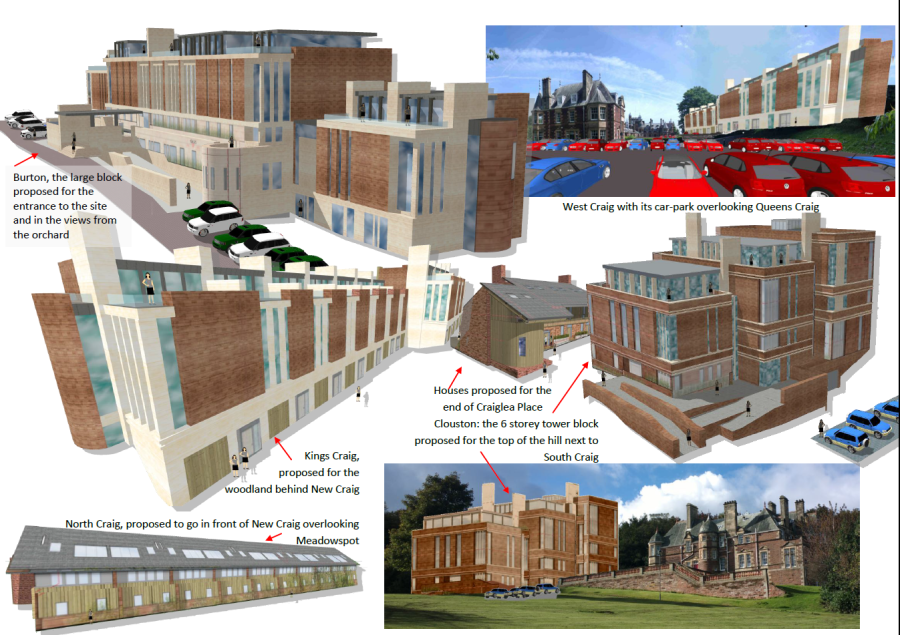
Whatever Happened to the Missing Mountgrange Millions?

Mountgrange change their name to Clearbell as administrator continues to chase them for millions of pounds.

Four and a half years after Mountgrange went under losing £60 million of Bank of Scotland’s money, the fight continues to try and recover millions of pounds from Mountgrange.

As you will already know, Craighouse was bought from Napier by Mountgrange and both are part of the Craighouse Partnership.

Mountgrange went into administration in 2009, leaving their notorious development, Caltongate (for which they had received planning permission which included the demolition of historic buildings in or around the old town) as an undeveloped hole in the ground.

In 2007, the two founding partners, Martin Myers and Manish Chande, took £9million and £3.8million respectively from Mountgrange Capital in dividends (this was in addition to their large salaries). This, in itself, was not unlawful.

However, in the last months of Mountgrange Capital PLC, there were some unusual transactions for a failing company.

One was director Manish Chande taking out another dividend of £1.5million in its struggling last months.

The other was £2.3million taken out of the company in the form of an interest-free loan.

This loan went,  via an intermediary company (Mountgrange UK Ltd), to Mountgrange Investment Management LLP – the new fund management partnership which manages the offshore fund that owns Craighouse.

What happened to all the money?

The administrator, Deloitte, has been trying to recover some of the millions for the bank, employees, tax collectors and suppliers. To manage the sheer number of companies involved, they split Mountgrange into 4 groups:

  1. Mountgrange Capital PLC, the main company, the administrators have finished winding up. Of the £70m loaned to this company, only £10m was recovered. It doesn’t look like they attempted to get back any of the dividends taken out of the company in its final struggling months.
  2. Mountgrange Limited has some complex investments. This will be left running for possibly many years to come.
  3. Mountgrange Land Limited was Martin Myers’ main company and owned roughly half of Mountgrange Capital PLC.  It also owned his racing stables. The administrator is still chasing Martin Myers personally for millions of pounds of personal loans and agreements, even after all this time. Recent news reports suggest that Martin Myers is now retiring and will not be so involved with the running of the remaining Mountgrange companies.
  4. Mountgrange UK Limited is the strangest of all. Mountgrange UK Ltd is the intermediary company used to set up the  fund that owns Craighouse (Mountgrange Real Estate Property Fund – MoreOf) and its management partnership (Mountgrange Investment Management LLP). It was not put into administration at all, despite being one of the companies that shared the £70m loan guarantee. It  was also in receipt of the £2.3m loan, used to fund the salaries of the people managing the Craighouse investment. The administrator, Deloitte, has clearly tried to get the £2.3m loan back from the investment management partnership. The accounts for Mountgrange UK Ltd state: “At the present time the administrators have not called in the loan although they have recently asked the company to seek to agree with the LLP … a formal  repayment plan in respect of the capital contribution”.

Mountgrange Getting Rid of their Name and changing to “Clearbell” as Partner is chased for Millions

Mountgrange is headed up by two men: Martin Myers and Manish Chande.

With administrators still chasing him for millions of pounds, Martin Myers has recently announced his retirement. The other former director, Manish Chand, and the partners in the later fund management company are now forming a new fund management company, called Clearbell. One of the Mountgrange companies, Mountgrange Investment Management Ltd – the company that manages the Craighouse fund – has been re-named Clearbell Fund Management Ltd.

Manish Chande and others are presently raising money for Clearbell. Are the new investors aware of the connection between Clearbell and Mountgrange and the attempts of the administrators to recover the millions of pounds lost?

It isn’t clear what will happen to the rest of Mountgrange and MoREOF once the new fund is formed. Will they continue as normal, or be wound down? Will they finally have to pay back the £60 million debts that Mountgrange Capital PLC owed to the bank, the £2.3million loaned to it, or nothing at all? We don’t yet know, but we would like to find out.

Political schmoozing

Manish Chande was reportedly up in Scotland meeting senior politicians including  key Councillors in recent weeks. We have already written on the issue of lobbying and access and how it is against the Code of Conduct for such people to gain greater access to MSPs and other politicians than ordinary people. If these meetings are not transparent, how can it be ensured that equal access is given, or that senior politicians also hear those communities opposing Mountgrange or Manish Chande’s schemes?

We are enquiring as to what other senior politicians Chande has been having meetings with.  We will be asking our local Councillors whether or not Manish Chande paid them a visit.

Conservation Ethos?

In addition to Craighouse, Mountgrange is targeting more properties in Edinburgh and Glasgow. You may read more about their history with other sensitive projects here.odeon
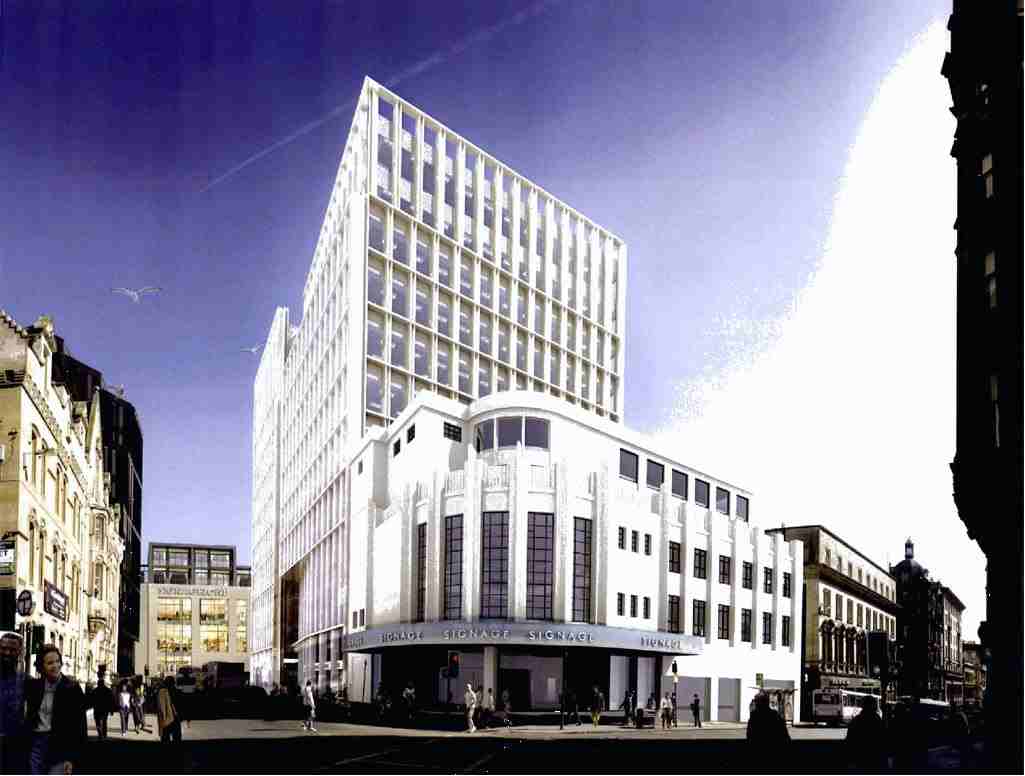
If you want to see Mountgrange’s other recent conservation efforts take a look at this picture of what they are doing to Category-B listed historic building the Odeon cinema in Glasgow. The protected building has now been completely demolished apart from one facade – that will be dwarfed by a ten storey concrete and glass office block built out the back of it.

http://www.eveningtimes.co.uk/news/demolition-spells-the-end-for-landmark-city-cinema-116544n.20296151

Craighouse and Finance

Craighouse is a seriously protected site covered in numerous protections that protect other sensitive Edinburgh sites. The Craighouse Partnership have consistently failed to release serious and comprehensive financial information required to justify any newbuild on the Craighouse site, let alone the very excessive amount  of newbuild they are seeking – on 8 development sites all over the Craighouse site.

With Mountgrange, Sundial, Napier, Oberlanders and Invicta all looking to make large profits – ask yourself how it can be possible for proposals that seek to deliver such profits to so many players can be “at a minimum” in terms of enabling development.

Many Questions Remain

Do Mountgrange have any intention of actually developing Craighouse?

Will the new company, Clearbell, take over the Craighouse development: what are the implications of this?

Can any of the companies associated with Craighouse be chased for the 10s of millions of pounds that are owed by these companies?

Why might Manish Chande be meeting senior politicians at this time?

Why is one of the main partners retiring when he is being chased for millions of pounds?

Why is Mountgrange now seeking to change their name?

Why are there no meeting notes for Mountgrange with the Council and Historic Scotland – when they exist for the other bidders?

Are Clearbell’s investors aware of the connection between Clearbell and Mountgrange and the administrator’s attempts to recover the millions of pounds lost?

What did happen to the Mountgrange millions?

Posted in Clearbell, Mountgrange | 12 Comments

Summer at Craighouse – Pictures Sent in of the Site, the Wildlife and a Wonderful Hat

The meadow

Matthew and his brothers love the meadow and have been playing here in these lovely sunny days. This picture was taken by Mark Collingbourne and featured by the BBC’s Sunny Days in Scotland selection

People have been sending us some great pictures so we thought we would put a blogpost together of some of them. First off is the cracking picture of Matthew in his very cool hat enjoying the meadow. His father, Mark, tells us that Matthew and his brothers have been loving the long grass and having a brilliant time playing in the Craighouse meadow. This picture says it all and was also featured in the BBC’s Sunny Days in Scotland selection and we can see why!

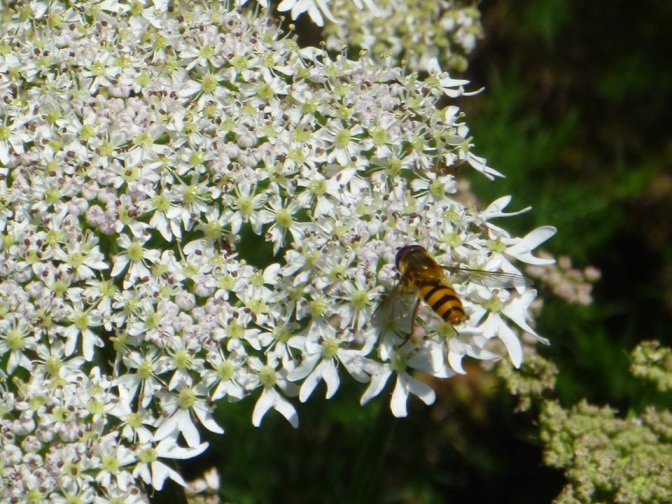
hoverfly

Hoverfly (taken by Juliet AKA Crafty Green Poet)

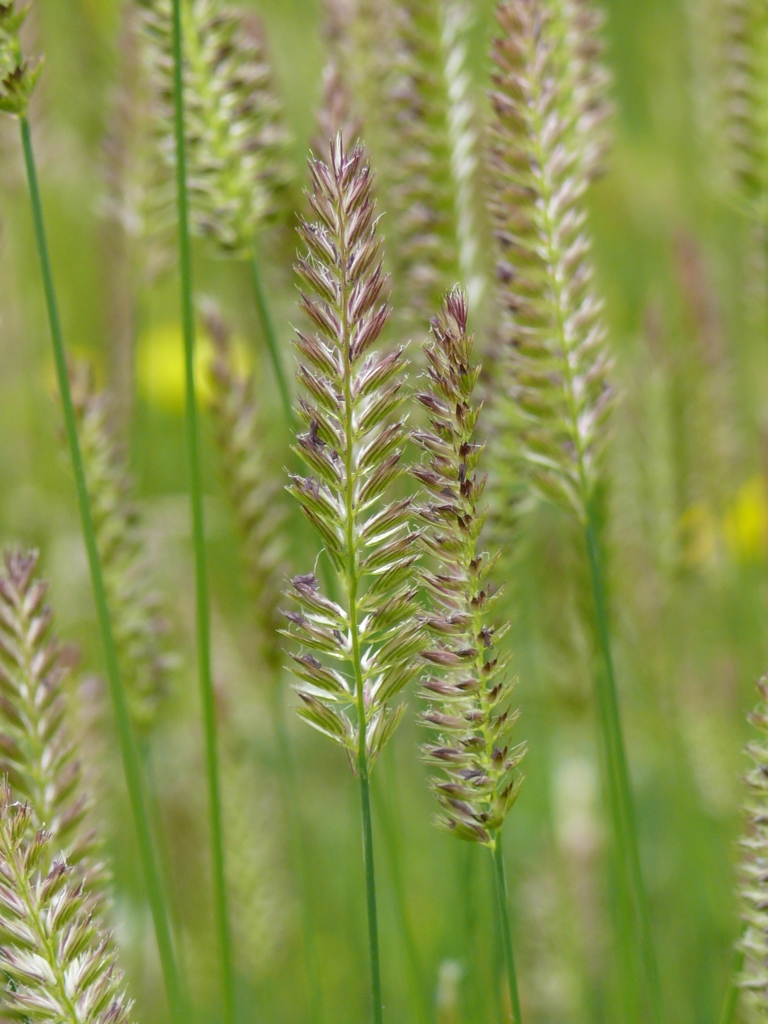
grasses

elegant grasses on the meadow taken by Lizzie Rynn

toadatcraighouse

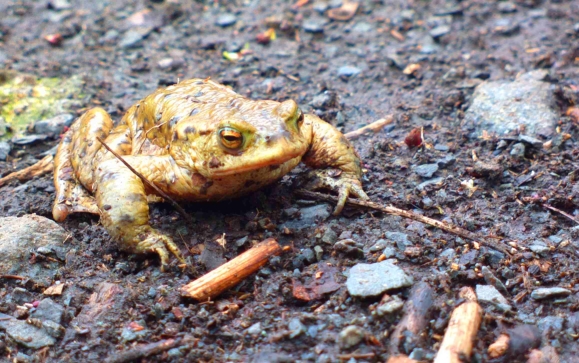
Toad trying to blend in with the background (Lizzie Rynn)

Lizzie Rynn has also send in some lovely shots, particularly of wildlife, including this rather warty-looking toad pretending to be a dead leaf on the path at Craighouse and a lovely picture of the elegant long grasses at Craighouse.

Juliet, otherwise known as Crafty Green Poet on her blog, has sent us some lovely photos including the fabulous hoverfly picture above and has written a blogpost about the walk she took at Craighouse along with more pictures that you can read here.

carpark

The carpark at Craighouse is like no other. This lovely pic was taken by Sigrid Neilson

This lovely picture above of the carpark has been sent in by Sigrid. This was taken a few months ago. It may be a carpark, but as we have discovered, it has been carefully planted so that it does not intrude so much on the views to and from the site. The Craighouse Partnership like to give the impression that the development here is on the carpark -in fact the carpark is just one part of the large development site here which takes out green space and woodland behind.

As we outlined in an earlier post – meetings with the bidders and the Council and Historic Scotland said it was NOT to be built on due to the destruction of the setting of A-listed Old Craig and ruining views of the building internally within the site. It would also ruin those panoramic vistas out from the site.

This pic is one of ours as we can’t resist:

oldcraigmeadow

Articles in Evening News and Scotsman

There have been an article in the Evening News and also the Education section of the Scotsman this weekend. Here’s the Evening News version – although when the article states the flats start at £150,000 for a flat in New Craig…it should maybe be pointed out that example flats in the listed buildings we know of are over £500,000 and over £700,000 apiece! It should also be pointed out that the buildings and their setting are of national importance. The Craighouse Partnership have a duty to look after the buildings (and the Council have a duty to make sure that happens). The setting is also of national importance and protected by national policy. The setting is listed in Historic Scotland’s own listing “superb landscaped hilltop site”. Therefore it is actually, according to policy, Historic Scotland’s job to protect that setting as well as (and as much as) protecting the buildings.

Just to get that clear.

Craighouse – the Movie

Lastly – here again is our bat video – as we’re kind of pleased with it.

Thanks so much to everyone for sending in your pictures and info!

Posted in Uncategorized | 1 Comment

Bats at Craighouse – The Movie

We’ve been talking about our video of bats at Craighouse and finally managed to get it ready for your viewing pleasure.

Don’t expect David Attenborough standards, but we are quite chuffed with this as it’s not at all easy to film bats as they are both super fast and super agile in the air.

Here they are feeding on insects on the orchard/meadow (you can see from the way they are swooping and twisting) and also some footage of them feeding near New Craig – the Council is trying to remove both the green open areas opposite, next to or around the Listed buildings, the open green space with trees at the entrance of the site where the children pay and large sections of the meadow from the nature designation in the new Local Plan (the whole meadow and orchard would have no wildlife designation despite it being a place where migrant birds feed, kestrels and sparrowhawks are regularly sighted and bats feed). Indeed, they have redrawn the boundaries of the Local Biodiversity Site designation so that most of the areas where the Craighouse Partnership want to build would no longer be covered by this important wildlife designation. We will keep you informed on this and any development to do with the designation business. In the meantime here they are for you to see!

Update  – oops, I posted the wrong film. It’s Craighouse bats but without the cool music and the shots of bats round the buildings. I’ve swapped it and hope I have the right one in now – complete with eery soundtrack and bats and buildings footage.

Posted in Uncategorized | Leave a comment

Flowering Meadows, Bees and Boarded up Buildings: Don’t Let them Put You Off Accessing the Site

bee2 Craighouse is looking beautiful in the sun and there were lots of children out enjoying the site yesterday – racing through the grass.

One family stopped to tell me how much they are loving “the meadow” – how fun it is to play in and how beautiful with all the flowers. Another resident told me they saw a sparrowhawk on the meadow.

There are flowers everywhere.

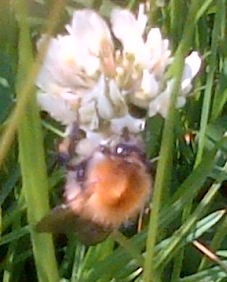
I spent a stupid amount of time taking out-of-focus pictures of all the bees enjoying the flowers that have sprung up everywhere you look over the meadow. The carpark – surely one of the prettiest carparks in Edinburgh right now – is full of dog roses and other flowers and the meadow and carpark are covered in bees and other insects collecting pollen. Bees are the subject of much debate in the newspapers as populations plummet and organisations and governments debate the reasons and how to save them.

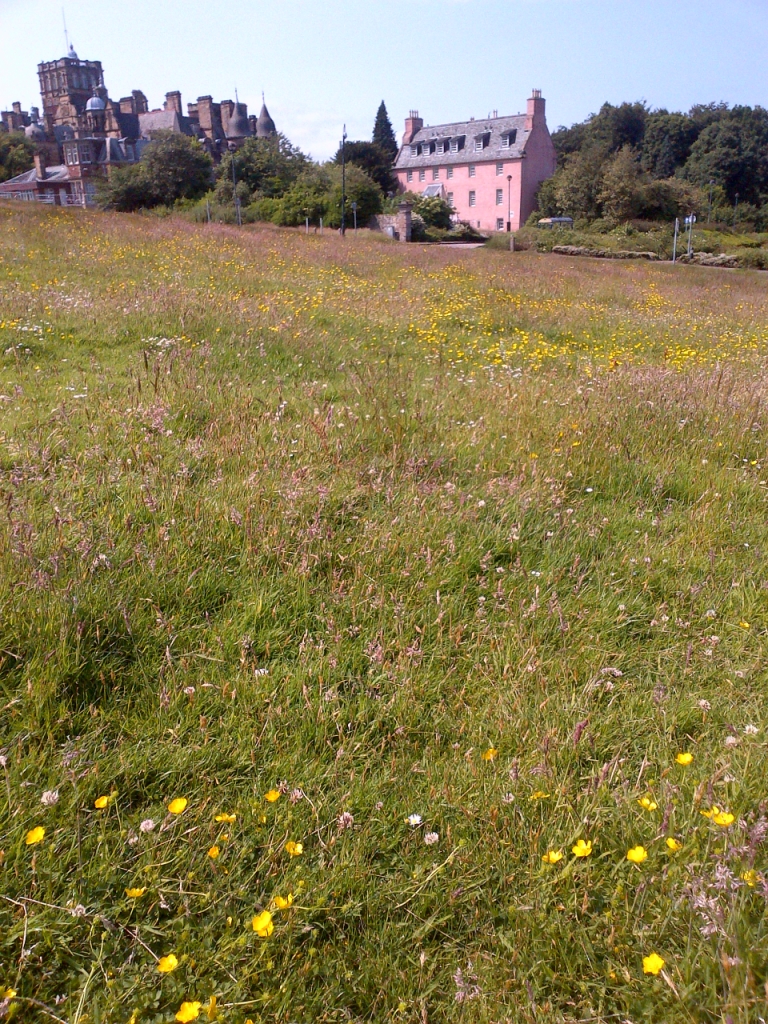
craighouse buildings and meadow

Flowering meadow at Craighouse (click to view large)

The “meadow” is covered in buttercups, clover, and blue flowers that I hope someone will be able to name for me. Lots of varieties of grasses – the purple grass and yellow buttercups grow at different points on the rig n furrow therefore highlighting this interesting feature as never before.

dogroses

dogrose hedges providing a bee heaven in the carpark (click to view fullsize).

THE CARPARK – SHOULD NOT BE BUILD ON ACCORDING TO MEETING NOTES

The carpark is full of flowering roses – dog roses, and other varieties. The carpark was apparently designed to be planted in a way as to not ruin views and vistas. It forms part of the setting of Old Craig – the oldest building on the site. In notes of meetings with Historic Scotland and the Council we have obtained through Freedom of Information, all the bidders were told they could NOT build on the carpark or in the setting of Old Craig before they even bid for the site. They were told this in meeting with the Council and Historic Scotland. So why are the Craighouse Partnership now thinking they can get away with the carpark not just being built on but just one part of a large housing estate taking out green space and woodland and ruining the views and setting of Old Craig, the entrance to the site and making a large area of this natural site urban?

It is interesting to note that the meeting notes for the other bidders have been made available – but the meeting notes from the meeting with Mountgrange (separate from all the others) are declared to be lost. For commercial fairness, all the bidders should have been told the same thing. If Mountgrange are let get away with this, it is unfair on all the other bidders who bid for the site and drew up plans based on what they were told at these meetings.

BOARDING UP BUILDINGS AND SITE ENTRANCE- DON’T LET THEM IMPEDE YOUR ACCESS TO SITE

The Craighouse Partnership are now boarding up the buildings and the entrance will be blocked with the only pedestrian access through the lodge entrance and up through Craiglea Place.

We continue to urge people to use the site. Use it, access it, love it. We mustn’t allow ourselves to be put off by obvious attempts to impede open and free pedestrian access. Access on the site is historic and long-established with full and free public access for many decades.

Apart from anything, if the Craighouse Partnership cared at all about the site, they would encourage the public to use it and access it and make the entrances to the site welcoming. As it is – the napier signage has been removed but not the messy metal holders – why? And the main entrance is to be blocked to pedestrians as well as vehicles. Why?

We must not allow the site to be held to ransom for a development which would ruin what is so special about this place and undermine protections for other important and green spaces across the city.

THE HEARING DATE – NO LONGER 14th AUGUST

The hearing – which was originally for March – was moved to June and then to August.

The Craighouse Partnership failed to meet all the deadlines and this time a new processing agreement has not been signed so we have no new hearing date yet to inform you of. All we can say is that they have missed their deadline for there to be a hearing on  the 14th August so this date – again – has been cancelled.

Craighouse remains a haven. All of you amateur (or prof) photographers out there – if you have pics of the wildlife or flowers – even small things like insects do feel free to post them on our Facebook page, or send them into friendsofcraighouse@yahoo.com – it’s very useful for us to have.

Many thanks!

Posted in Uncategorized | 1 Comment

Why are Areas Used by Protected Species at Craighouse having Nature Designation Removed?

bat

A pipistrelle bat as found at Craighouse

In light of the Council trying to de-designate large sections of the site in the New Local Plan , one of our members, Tana Collins, has been researching an important protected animal at Craighouse that is protected in the UK and also under European law, with severe penalties for those that kill or destroy their habitats.

Bats.

As many people know, Craighouse is full of bats. They may look a bit like winged mice, but are very different with a maximum recorded lifespan for Pipistrelles of 16 years and just one young per year  – which is why they can be so vulnerable to change. Pipistrelle populations have reduced by approx 70% over 15 years.

According to the wildlife audits there are two kinds on the site the Pipistrelle 45 and 55.

If you walk on the orchard at dusk, you will see them feeding on the insects around the fruit trees. They are all around the woodland fringe and across the open spaces. Craighouse contains a perfect mosaic of habitats for a wide range of animals – and is perfect for bats due to its unique combination of open space, old buildings, woodland and nearby water (at Craiglockhart Pond). This combination is absolutely perfect for bats.

According to DEFRA’s website:

“Bats are intelligent social animals that can live up to 30 years. Populations of bats have declined dramatically in recent years  Several species of bat are seriously threatened and in the last decade one species – the greater mouse eared bat has become extinct as a UK breeding species.”

The website says that Pipistrelle numbers have dropped by about 70% during the 15 year period 1978-1993.

All the bat species in Scotland are protected.

Habitats of importance for Pipistrelle bats are:

  • Woodland edges
  • Parkland/amenity grassland and recreational areas
  • Hedgerows

Why is the Orchard/Lawn not covered by the Biodiversity designation?

The DEFRA website specifically lists woodland edges and parkland/amenity grassland and recreational areas as important habitats for the two protected bat species known to be on the Craighouse site.

In the Biodiversity Audit of June 2011 undertaken by ABI Wildlife on the Craighouse and Craiglockhart sites, they write:

“Bats have been found within parkland habitat of both Craiglockhart and Craighouse.”

According to DEFRA, orchards also provide additional feeding opportunities for species that feed in semi open habitats such as woodland edges and glades. As well as woodland being important to bats, Pipistrelles are bats that use grasslands extensively. You can easily see this with the naked eye up at Craighouse where bats fly across the orchard/lawn feeding on insects.

So, it is clear that all the parkland orchard/lawn area should be protected. So why is it not? Indeed, why has a large section been removed from the Biodiversity designation?

The Council are claiming the decision was made by wildlife experts. But there is no evidence of how or when any assessment was made. Nor of any meeting where such a decision might have been discussed.  The Friends of Craighouse would like to know how any wildlife expert could de-designate areas known to be key habitats for bats as listed above on a site that is well-known to be used by populations of bats?

We would like to be provided by the Council with evidence of this assessment and the decision-making process undertaken and the data they were provided with to undertake such an assessment. So far, we have received no answers to our questions.

Why have all the green open spaces where the Craighouse Partnership want to build around, in the vicinity or across from the listed buildings been de-designated?

According to the ABI Wildlife report:

“Two species of bat, Pipistrelle 45 and 55 have been recording feeding around the buildings.”

Pipistrelles are known to summer roost in old buildings and feed on grasslands And yet all the green areas surrounding the buildings have also had their designation dropped in the proposed New Local Plan.

Again, the Friends of Craighouse want to know – how was this decision made, what assessment was undertaken and how was the criteria applied? There appears to be no justification for this whatsoever.

Why have the old buildings on Craighouse been dropped when modern buildings like the entrance building to the Botanics or large chunks of Waverley station been included?

DEFRA says:

“Conservation of bats is complex and needs to take in to account of several factors, including the protection of summer roost sites; the protection of winter hibernation sites and protection of appropriate management of habitats where bats feed.”

It says that Pipistrelles summer roost in buildings.

Old buildings are particularly important for bats. This is one of the reasons that many older buildings may be included under Biodiversity site designations. The buildings were all previously covered by a nature conservation designation – but now in the proposed new local plan – again – they have been quietly dropped.

So why have all the buildings at Craighouse – known and evidenced to be surrounded by feeding bats – had the designations quietly dropped in the face of direct evidence that they should not be? Why have the old buildings at Craighouse been deliberately removed from the designation when buildings such as the modern entrance building for the Botanics which is too new to have established bat populations, are covered?

All bats are now protected by law.  It is illegal to intentionally kill bats, to disturb them or to damage their roost sites. 

Bats are extremely highly protected. All bat species found in Scotland are classed as European protected species and are fully protected under the Conservation (Natural Habitats, &c.) Regulations 1994 (as amended).

Scottish Natural Heritage lists the following offences in relation to bats:

It is an offence to deliberately or recklessly:

  • capture, injure or kill a wild bat;
  • harass a wild bat or group of bats;
  • to disturb a wild bat in a roost (any structure or place it uses for shelter or protection);
  • to disturb a wild bat while it is rearing or otherwise caring for its young (this would be a ‘maternity’ roost);
  • to obstruct access to a bat roost or to otherwise deny the animal use of the roost;
  • to disturb such a wild bat in a manner that is, or in circumstances which are, likely to significantly affect the local distribution or abundance of that species;
  • to disturb a wild bat in a manner that is, or in circumstances which are, likely to impair its ability to survive, breed or reproduce, or rear or otherwise care for its young.

It is also an offence to:

  • damage or destroy a breeding site or resting place of such an animal (note: this does not need to be deliberate or reckless to constitute an offence);
  • keep, transport, sell or exchange or offer for sale or exchange any wild bat or any part or derivative of one (if obtained after 10 June 1994).

DEFRA write that several basic management principles are relevant to the management of habitat for bats including avoiding the loss of suitable habitat – this has a direct effect on the number of bats that can survive in an area and is an important factor in the recent decline of some bat populations.

In light of all this, how come the Council made the decision to remove large areas of the Craighouse site from the Biodiversity designation and not to apply this designation to the known feeding grounds of key protected species like bats? What evidence or assessment was done to come to this decision? How can we trust any decision going forward on this if they won’t give us answers, or be properly transparent?

—–

Thanks go to Tana Collins for researching this topic and we are always grateful to anyone sending in any information and further research. We also have a section Our Craighouse on the menubar for people’s stories and photos.

Posted in Uncategorized | Leave a comment

Why Is Important Green Space at Craighouse Dropped from Nature Designation when Buildings and Carparks across City Covered?

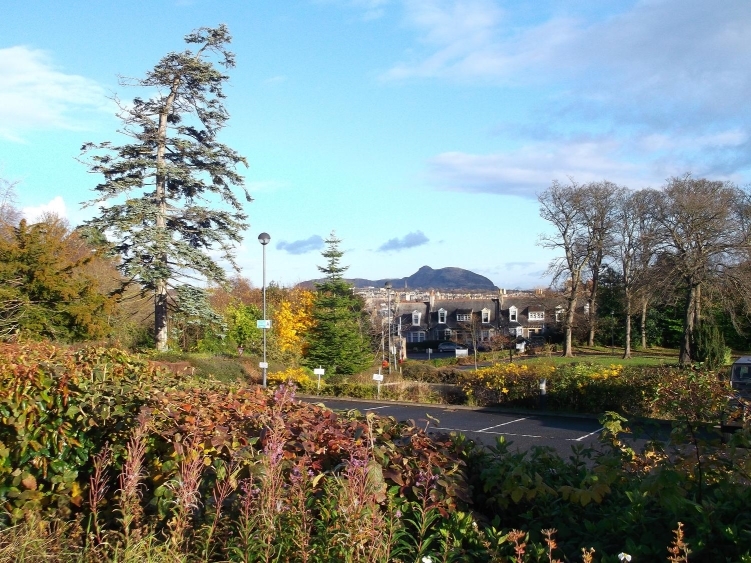
arthursseatview

Red List and migrant birds and European protected species like bats are known to feed on open green space and fruit trees at Craighouse

As you know, the Friends of Craighouse discovered that the Council were quietly trying to remove a nature conservation designation from large portions of the Craighouse site where the developer wants to build in the proposed new Local Plan. There was no consultation or or notes on this change – and it was extremely difficult to spot on their reduced-size map.

Thank you to everyone who wrote in to the planning department and the Councillors about this – your support is hugely appreciated and your letters have obviously made a big impact. We must push on to get this reversed.

Councillors’ responses

Most of the Councillors have widely circulated a generic response  saying that amenity grass and buildings are not normally covered by this designation and the site had merely been updated in line with new criteria. But there is no details of any assessment that was made, no evidence of how this decision was made, by whom or whether any sort of assessment was undertaken.

A methodology document has also been circulated. We have checked the methodology document and found it does not say that amenity grass and buildings should be taken out – in fact the methodology gives more reasons why such areas SHOULD be included on important wildlife sites like Craighouse.

Lack of Transparency and Evidence

The methodology document that has been circulated refers at length to the process for site assessment. According to this document, information should be properly publicly available through a full Local Biodiversity Site register which is supposed to show a definitive list of all sites assessed and site statements, including:

–  Site summary describing the site and its interest

–  Site map showing the boundary

–  Date of assessment

–  Assessment notes (these include decision on boundaries)

–  Previous status relating to site

–  List of notable biodiversity features

We can find no evidence of any of this in the public domain. We have asked for this information to be made properly available to the public but have so far received nothing.

The Great “Amenity Grass” debate

The Council is trying to maintain that “amenity grass” is not included in Biodiversity designation. It seems to have defined all the green areas at Craighouse that aren’t the LNR – including the entire orchard/lawn areas and other areas of green space – as “amenity grass” and are trying to justify their removal that way.

However, this is contrary to the evidence of biodiversity value contained in all the publicly available audits and reports which show these areas are extensively used by a wide variety of wildlife, including Red List birds and protected species such as bats.

This should have been clear to the Council if they had undertaken the proper assessment procedure as outlined above.

Not only this, but we have studied other sites in the city and discovered that Craighouse has been treated inconsistently with other designated sites.

Inconsistent with Treatment of Other Sites across the City

Let’s look at some other sites.

The Observatory buildings and carpark on Blackford Hill are covered by the designation. The whole of the Old Town is covered in the designation. The “amenity grass” at Lochend Park is covered by the designation. The “amenity grass” and tennis courts of Regents Gardens (a less important wildlife site than Craighouse) are covered by the designation. The large modern building at the entrance to the Botanical Gardens apparently has a Biodiversity site designation. And – most bizarrely – a large chunk of Waverley Station is also covered by the designation.

Tennis courts, modern buildings and carparks are covered by this designation on other sites all across the city – yet not the orchard, parkland and green spaces of Craighouse despite being an important wildlife site and those areas having been proved to be used by protected species!

Indeed, the majority of these green areas at Craighouse have actually been carefully and quietly removed from this important nature designation when they were previously protected.

Why?

No one can tell us how or why this was done.

Who decided to de-designate the site and what input did the Craighouse Partnership have?

Craighouse is important to wildlife because it contains a  “mosaic of habitats” that are “exceptional within the city environment according to the Conservation Area Character Appraisal.

Woodland, open parkland, water (at nearby Craiglockhart pond) and old buildings provides the perfect habitat for protected species like bats for example. And the orchard/lawn are known feeding grounds for these European protected species. (We will go into more detail on this subject in our next article.)

You cannot just protect where an animal feeds but destroy where it sleeps, or vice versa. And you cannot cut the habitats off from one another -which is why Local Biodiversity Sites are usually designated in full. At Craighouse there is a wealth of established habitats linked together which is why it is so important for wildlife. There is no justification for the removal of the parkland as “amenity grass” – indeed the parkland, including orchard, is specifically mentioned in reports and audits as an area where not just bats, but birds feed – including Red Listed birds who like to feed on the fruit trees, such as the Fieldfare and Redwing.

Serious Questions to be Answered

We would like to know why this decision appears to fly in the face of all the evidence contained in the publicly available Biodiversity Audits and Reports.

Where is the assessment and evidence of any process followed to come to this decision and how and why was such an unjustifiable decision made on such an important site?

We would like to know what input the Craighouse Partnership may have had into this decision. And we want answers as to why a Biodiversity designation seems to have been carefully removed from large areas in the proposed New Local Plan from a site that is the subject of one of the most controversial development applications in Edinburgh’s history – when there is no evidence that the site has changed in terms of its very special wildlife value and when it is described as an important mosaic of habitats “exceptional within the city environment”. (Conservation Area Character Appraisal).

The Council has some serious questions to answer. We look forward to hearing their response.

Posted in Uncategorized | 6 Comments

Urgent: Form to send in about Biodiversity protection by 5pm this Friday (14th June)

After discovering yesterday that the planners are proposing to remove large parts of Craighouse from the Biodiversity Site protection, we have filled in the form you need to send in (see below). A wildlife survey shows the sections removed as 36% of the biodiversity of the site.

frogWe have filled in the standard form that you need to send in by 5pm this Friday to register your objection to large parts of the Biodiversity Site protection being removed at Craighouse. Please don’t miss the deadline!

Download the form here: ldp_representation_craighouse__ver1__20130612

You can take this form, fill in your name, and send it in to localdevelopmentplan@edinburgh.gov.uk . But it would be much stronger if you could put in your own words that specifically talk about the wildlife that you see at Craighouse and how it would impact you if that wildlife space was no longer protected. It is particularly the following areas that have not been included, that should be included under the Local Biodiversity Site designation:

  • the green space with mature trees around the entrance where the kids play football
  • the green spaces and trees and shrubs around the listed buildings
  • the lush green field next to Queens Craig by the pine trees and look-out point
  • lawn and the area where they want to build a modern block next to Bevan
  • and the carpark area

People should ask for the whole of the “amenity grassland” (that’s the orchard or orchard/lawn to us) to be included. This area has been shown to be of very high biodiversity value, as are areas around buildings which are surrounded and used by bats.

Craighouse is recognised as a unique “mosaic of habitats” which are “exceptional” within the city environment according to the Conservation Area Character Appraisal. The combination of woodland, open space, nearby water (at the pond) and, believe it or not, old buildings is the perfect habitat for bats which are protected species – this is a rare combination and that description is Craighouse. It is hugely important to wildlife and areas like Craighouse are particularly rare and important in an urban environment.

Sorry this is so rushed, we only spotted this change at the last minute and were not warned about the change at all.

Posted in Uncategorized | 4 Comments

URGENT – Council Tries to Remove Craighouse Designations by Stealth – Please Write by Fri 14th JUNE!

We have discovered that the Council are trying to change the designations over key areas of the Craighouse site where the developers want to build without any consultation or proper transparency with the general public.

The present draft of the Edinburgh Local Plan – one of the most important planning documents which is presently up for consultation (deadline Fri at 5pm) shows that the designation of Nature Conservation Site has been removed from lots of the site including:

  • the green space with mature trees around the entrance where the kids play football
  • the green spaces and trees and shrubs around the listed buildings
  • the lush green field next to Queens Craig by the pine trees and look-out point
  • a large chunk of the lawn and the area where they want to build a modern block next to Bevan
  • and the carpark area

The majority of this sizeable area of land are areas the Craighouse Partnership want to build on, or privatise.

What is Going On?

When we phoned up the Council to enquire what on earth was going on, we did not receive a  proper explanation. Further research online has revealed no justification or information about what is going on. There has been no physical change whatsoever in these areas to account for why the designations should be entirely removed from large areas of the site. The only thing that has changed since the last Local Plan is that the Craighouse Partnership want to build there and have submitted an application. Indeed, we have a biodiversity audit that says that some of these areas are of the highest biodiversity value.

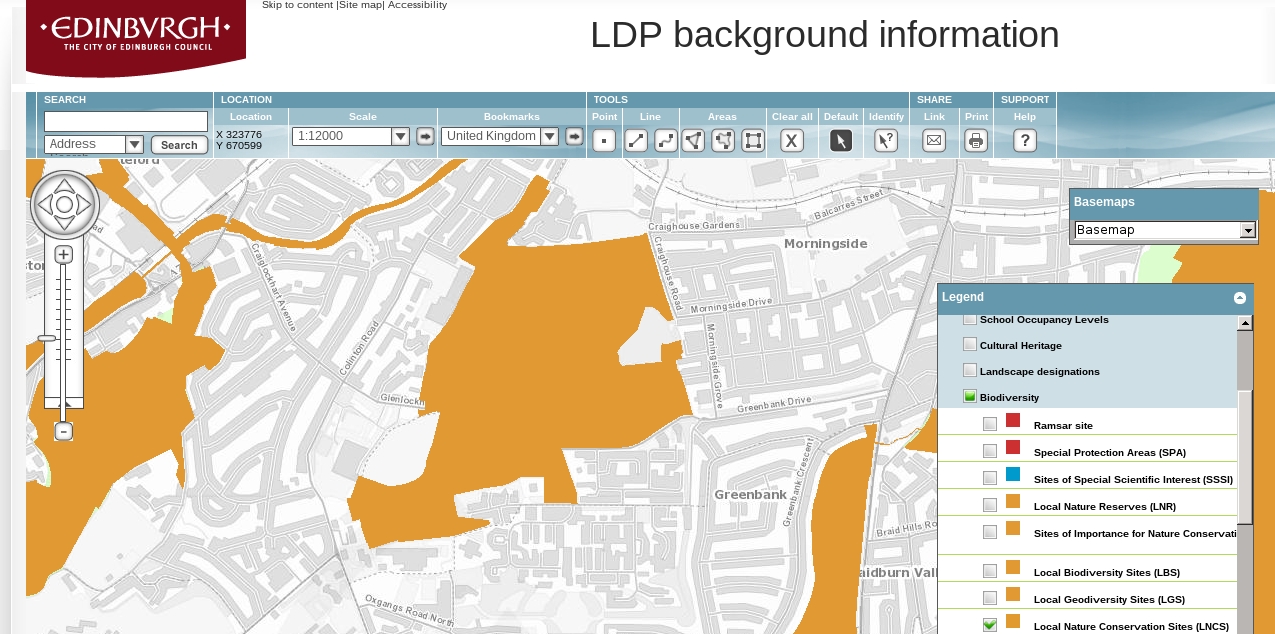
Here is a map from the present Local Plan –  the orange shape in the middle shows areas of Biodiversity Value at Craighouse – as you can see, the vast majority of the site:

edinburgh_local_development_plan__existing_lncs__craighouse__20130612-1 2010

The current plan: all the area in orange is covered in Biodiversity and nature protections

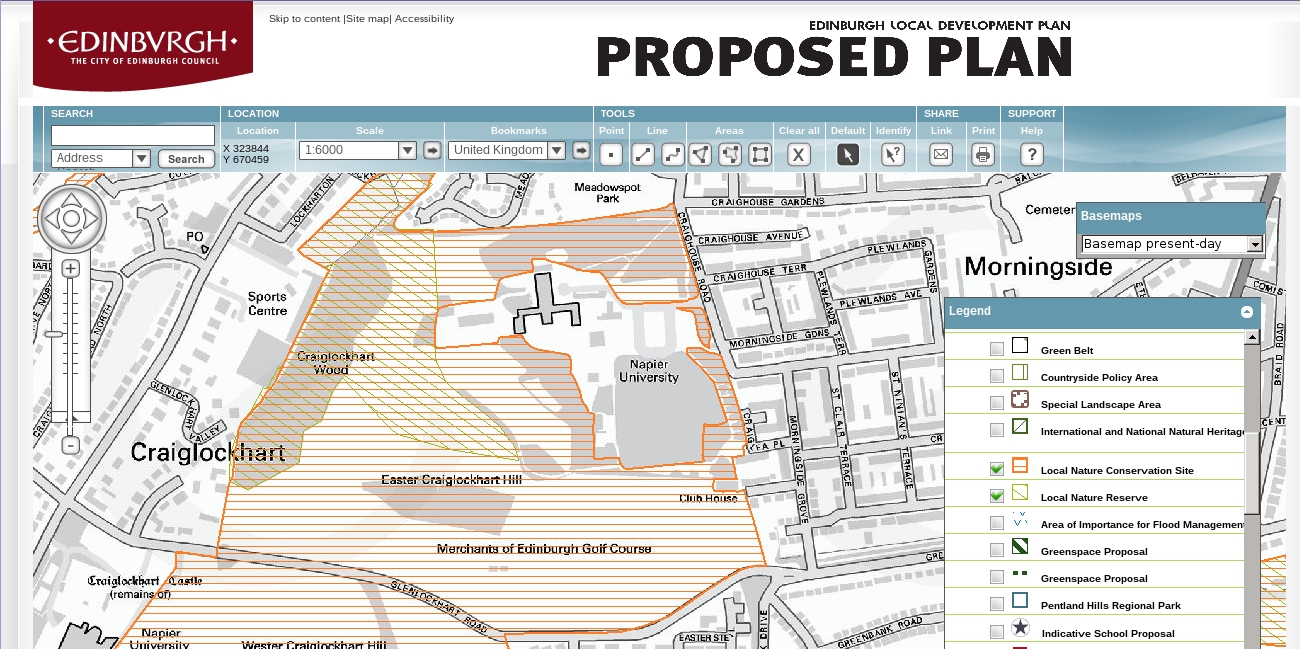
In the new plan you can see a vast chunk of Craighouse is not covered (the area that is not orange stripes).

edinburgh_local_development_plan__proposed__craighouse__20130612-1

Here is the new Local Plan – you can see that a very large area of land has been removed from the orange lines including the lawn, the green spaces and trees and shrubs about the buildings and the footballing area with mature trees. This,  despite nothing changing about those areas in terms of wildlife and biodiversity

Here are some of the areas where they are trying to take away the nature protections:

daffs and woodlandcherrySNP candidates for Councillor, David Key and Sandy Howe on a site tour this last weekend

footballarea

URGENT!

We urge you as a matter of absolute urgency – please write and say that you object in the strongest possible terms to this removal of designation and that this should be corrected and Craighouse should all be covered by the Local Biodiversity Site Designation. There is no justification for this removal of designation. That it should happen in the middle of a development application is highly questionable. Nothing has changed in terms of Biodiversity and wildlife. Indeed, that the whole site should be classed a Local Biodiversity Site under the Local Plan due to the wealth of wildlife and habitat. The entire lawn and orchard areas should be included as fieldfares and other visitors feed on the orchard and we have extensive video footage of bats feeding on the orchard taken only this year.

That such a thing should be happening, behind closed doors and away from the general public in the middle of one of the most controversial development proposals Edinburgh has ever seen is deeply concerning and we will be asking tough questions to find out what is going on and why.

EMAIL BEFORE FRIDAY (14th) at 5PM

Please email : localdevelopmentplan@edinburgh.gov.uk or write to Local Developent Plan Team, Waverley Court (G3) to arrive before 5pm this Friday. They prefer you to use a form here but they should also accept emails but make sure you copy in your local Councillors (emails below).

Please include your name and address and say that your comment is in relation to  the proposals map and you can also reference p13 39/40 of the Plan Biodiversity Designations.

You can cut and paste this if helpful:

“Dear Sir/Madam

I would like to object to the change of designations on Craighouse – a site that was previously nearly all marked as Local Nature Conservation Site and now appears to have had a lot of this removed, for no reason and with no note in the text to explain why. Craighouse is presently the subject of a very controversial application for a housing development. For designations to be changed in this fashion to apparently accord with development proposals in the middle of an application and when nothing physical has changed about the site – is extremely worrying and completely inappropriate. I would urge you correct this as soon as possible and designate the whole site a Local Biodiversity Site .”

Please copy to your Councillors.

Other Important Local Greenspace under Threat

Midmar Paddock – the field adj to Blackford and Hermitage

It is clear that Midmar Paddock – which borders the Hermitage, is a loved area and part of walks and is a site of Great Landscape Value (like Craighouse) is also vulnerable to the threat of development.  Although the proposed Local Plan sees its designations remaining, it has been proposed  for development by developers in the Main Issues Report and the Environmental Report says that proposals will be revisited if the reporter wants more land released. This is one of the reasons that Craighouse is important – not just for here, but for the whole city. Once these designations are overturned, it weakens them on other very important green and wildlife sites.

We would like to encourage everyone, alongside their Craighouse comment an additional comment to say you strongly object to the proposal in the Main Issues report from developers that any part of Midmar Paddock (an Area of Great Landscape Value) be developed and that any development here should be strongly resisted and that you would like this comment noted.

Green Belt

The Local Development Plan sees a very large release of previously protected green belt land for housing. We are not able to guide you through this very extensive issue, although it becomes even more paramount to protect urban green sites in such a context –  but we can at least alert you so you can put in comments. Maps etc can be viewed here:

The local plan can be found online here: http://www.edinburgh.gov.uk/info/178/local_and_strategic_development_plans/1019/local_and_strategic_development_plans

Here are some politicians’ email addresses that I forgot to put in earlier (thanks Ruth!) – you can cut and paste this group of emails if that is easier.

paul.godzik@edinburgh.gov.uk; sandy.howat@edinburgh.gov.uk; melanie.main@edinburgh.gov.uk; mark.mcinnes@edinburgh.gov.uk; andrew.burns@edinburgh.gov.uk; gavin.corbett@edinburgh.gov.uk;
david.key@edinburgh.gov.uk; Jim.Eadie.msp@scottish.parliament.uk;
Alison.Johnstone.msp@scottish.parliament.uk; ian.murray.mp@parliament.uk

Posted in Uncategorized | 4 Comments

Daisies at Craighouse

Daisies at Craighouse

The grass may be getting longer, but the site is looking prettier than ever with blossom and daisies everywhere you look. This wonderful photo of the daisies at Craighouse was taken by Luke Griffiths. Thanks for letting us reproduce it here, Luke – it’s a fabulous image!

We use lots of pictures on this website – many sent in by local people. If you have pics/info/stories you are happy for us to feature or reproduce – you can email them direct or post to Facebook. It is lovely to have such a range of images to head up articles and include on the Our Craighouse page – check out the menu above.

Posted in Uncategorized | Leave a comment

Another Gorgeous Day

view2Unfortunately camera phone was on the wrong setting so these are a bit fuzzy, but they still show the wonderful views of castle and Arthur’s Seat – and that’s only one section of the panoramic vistas at Craighouse! There are many woodland birds around the site, presently, and the apple trees are now in blossom and it’s looking enchanting with all the daisies. Lots of people enjoying the site today and it’s heartening to hear about people’s letter-writing, rare birds and insects, info on the trees and their general positive thinking and plans for the rest of the summer if the grass grows high. It’s a real boost to see everyone so committed. If anyone has any photos they want to send in – past or present -please feel free and we’ll try to put them up here or our “Our Craighouse” page.

arthursseatview

Posted in Uncategorized | 4 Comments