Craighouse Partnership attempts to activate decade-old Consent. Friends call for a halt to process and proper public oversight.

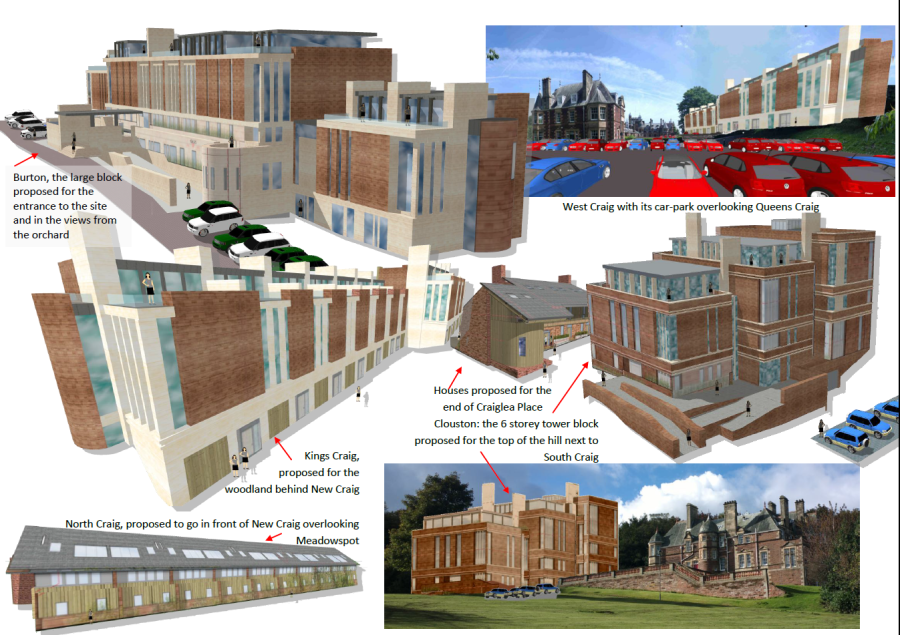
At a meeting with local residents on the 26th June, representatives of The Craighouse Partnership showed pictures of the huge Creative Industries building applied for by Napier in 2001 and for which permission was approved in 2002, along with new car-parking in the woodland, removal of mature trees and woodland and the destruction of areas of green space. Many people don’t know about this building (and indeed many residents at the meeting were shocked and surprised to hear about it for the first time) because the application was put in around Christmas at the time, and because it was never pursued.

The Craighouse Partnership told the meeting that they could build it tomorrow.

When we had investigated this consent previously we found there was a series of stringent conditions before it could be activated, and that Listed Building consent (which was required before any work could start) had run out in 2007.

However, we have now found out that The Craighouse Partnership are trying to claim they have started work this June, despite the fact they have no Listed Building Consent, and that the planning department have moved to waive all the stringent conditions to let them do so – taking only a week to make that decision with no apparent elected oversight.

This, despite the fact they have no Listed Building Consent – without which the consent says that The Craighouse Partnership are not allowed to start work.

There are numerous other problems with the way the process was conducted outlined in our letter.

The paperwork remains patchy and unclear.

The consent was granted in 2002 but the contract not signed until 2007 – odd in itself. This contract has no date on it – either on the contract itself or by the signatures, which are not typed next to, therefore unreadable.

The consent itself was not on the portal when we first looked, not in the historical files when we checked them twice over several months, not available under a FOI request to Napier …and yet when we went back to the historical files at the end of last week – there it was sitting right on top of the file.

Let’s be clear, the application was for an 80,000 sq foot institutional university building – which is no longer required. Material planning considerations were contravened with great difficulty at that time in order to meet the needs of the university – which is moving out. So why are the planning department considering granting this consent to an off-shore investment fund who wants to put housing across the site?

The Craighouse Partnership should come forward and put in their own application and let it answer on its own merits. They should not be granted an over-decade old consent for 80,000 sq feet of new-build at a stroke, out of the public eye, that would allow them leverage whilst also allowing them to immediately build new car-parks and clear woodland before their real plans are submitted.

We have written to the planning department a letter detailing why we think the process has not been followed properly and asking about missing paperwork.

We have called on Elected representatives to halt this process – which should not be taking place out of the public eye. This being holiday time is not helping matters, but a number of them have responded and we are awaiting to see what transpires.

The Craighouse Partnership no doubt will try and downplay the significance of this – but if this is forced through then it will grant this consent in perpetuity.

Additional update: I said that I would give an update on the inspection of the listed buildings by the Council. We have had a short update to say the buildings are currently satisfactory, which is good news and that they will be monitoring the situation from now on. However, I am going to try and clarify what this means in relation to the BARR report which lists East Craig’s condition, for example, as “poor” with a higher at risk category. (The boiler house which is also Grade A and deemed high risk and in poor condition on the BARR, we believe the Craighouse Partnership want to demolish, although this has not been made clear to people yet. The Council inspection called this one satisfactory too, so not really sure what “satisfactory” means).  It is also unclear what the current status of wet and dry rot is, although the Craighouse Partnership have said they will have specialist monitoring quarterly from now on in order to fix problems quickly, which is good to hear.

I hope that this, coupled with monitoring going forward by the Council, means the partnership will now leave the language of dereliction behind and concentrate instead on reducing the new-build and putting forward a more reasonable development. I will continue to try and keep you posted.

Posted in Planning process | 2 Comments

Response to Letter to Stakeholders by The Craighouse Partnership

Yesterday, William Gray Muir sent a letter to local residents and other stakeholders. In it he accuses us of making a number of allegations in the post of the 8th June that we simply have not made.

He implies we have questioned the professional ability of Sundial’s expert staff. We have not.

I want to quickly reply to the points raised in William Gray Muir’s letter and then we will leave this matter for now:

From William’s letter:

1. The blog repeatedly claims that The Craighouse Partnership has not taken steps to address rot issues within the vacant buildings at the Craighouse Campus.

We would like to make it clear that we have never accused Sundial of failing to maintain the buildings at Craighouse. It is William himself who has repeatedly talked of dry rot for many months and said that the buildings are starting to “show signs of significant deterioration” and could go into “rapid decline”, while also saying that maintenance work was underway.

We questioned how those statements are compatible and asked the council to investigate to ascertain the true condition of the buildings. There is no need, in light of proper maintenance, for the buildings to fall into “rapid decline”, before an acceptable and reasonable development is put before the council.

From William’s letter:

2. The blog claims that the Craighouse Partnership has allowed the buildings to deteriorate and that this is why the buildings had been put on The Royal Commission on the Ancient and Historical Monuments of Scotland (“RCAHMS”) Buildings at Risk Register (“BARR”).

We have never pretended to know the condition of the buildings. This blog has always believed the buildings are in good condition. However, a number of our members have raised concerns. Again, it was William, not us, who has repeatedly referred to dry rot and said the buildings are showing signs of “significant deterioration”. It was his own statements that persuaded us to ask for the situation to be looked into.

From William’s letter:

3. The blog implies that the partnership’s co-operation with RCAHMS is an attempt to force the City of Edinburgh Council’s hand.

Here is a quote from the minutes between The Craighouse Partnership and the Craiglockhart Community Council:

“WGM advised that Historic Scotland and others have concerns about the future of the seven A listed buildings if City of Edinburgh Council (CEC) do not accept the enabling development case. There is a possibility that the Royal Commission on the Ancient and Historical Monuments of Scotland (RCAHMS) may put the buildings at Craighouse on their ‘at risk’ register due to the uncertainty about their future.”

The Craighouse Partnership itself asked for the RCAHMS inspection to be brought forward from the autumn. According to the BARR, it took just 2 working days for RCAHMS to undertake the inspection after the request.

The inspection on South Craig found: “the building suffering from quite extensive outbreaks of dry rot.”

Subsequent to our article and call for a Council inspection, the following  sentence was added to the report:

“Post site visit note: the evidence of dry rot visible at time of survey had already been treated in line with works specified by specialist contractors.”

This new assessment is indeed very welcome, but at the time of our question, the report stated that the building was suffering from “quite extensive outbreaks of dry rot”. It did not say “treated dry rot”.

As we have said previously, it is William’s own series of public remarks, not the BARR report, that triggered our letter to the Council. The Council is undertaking an inspection and we will report the results of this as soon as we are informed. We hope the Council will be able to put everyone’s minds at rest.

William’s letter contains a couple of further points that I will answer.

In his letter, William Gray Muir implies we said the Canongate Venture and the Macrae tenements were owned by Mountgrange. He should revisit what we said – ownership was not mentioned and, indeed , is not the issue. Mountgrange achieved outline planning permission for the Caltongate project which including the demolition of the Canongate Venture and part of the Macrae tenements. It was this planning permission – Mountgrange’s Caltongate scheme – that put these buildings on the Buildings At Risk Register.

William says that “the presence of a building on the register has no bearing whatsoever on the planning process.”

Yet the number of A listed buildings on the BARR is used as a national performance indicator. The Scottish Government website states:

Our measure of success will be to decrease the percentage of A-listed buildings on the Buildings At Risk Register (BARR). A-listed buildings are high-profile, important assets whose condition provides a good general indicator of the health of the wider historic environment.

This means that there is a pressure on local authorities from the Scottish Government to get Grade A listed buildings off the BARR, therefore increasing the pressure on the Council.

Lastly, yes, we do question whether William Gray Muir being on the board of Edinburgh World Heritage is compatible with being part of a Consortium that wants planning protections overturned and the Edinburgh Local Plan contravened on one of the most controversial developments of protected green space in the city. Surely this is a conflict of interest both for William himself and Edinburgh World Heritage itself as a public heritage body?

We hope this goes some way to clarifying the situation. Thank you for your patience and we will update you on the outcome of the Council’s inspection just as soon as we can.

Posted in Uncategorized | 6 Comments

Buildings at Craighouse put on At Risk register within months of Consortium Ownership

Friends of Craighouse Call for Council to investigate and use powers to force £300 million fund to maintain historic buildings

The Friends of Craighouse have written to the Council urging immediate investigation after they discovered that five buildings at Craighouse were being considered for the Buildings At Risk Register (BARR).

The Register, maintained by the Royal Commission on the Ancient and Historical Monuments of Scotland (RCAHMS) on behalf of Historic Scotland, provides information on properties of architectural or historic merit throughout the country that are considered to be at risk.

Within 24 hours of our phonecall to the RCAHMS to ascertain what was going on, the buildings appeared on the At Risk register despite having been told they were to be  put on in a few weeks time. You can view them on the register here.

We have also found  out that it was the Partnership themselves in the guise of frontman, William Gray Muir of Sundial Properties, who asked for the site to be considered for the  register.

The Friends question how these buildings could end up on the Buildings at Risk Register considering the buildings were in good condition when the Partnership took them on. They were also  deemed in good condition in the Simpson and Brown Conservation Audit in 2009.

Is this an attempt by the developers to try and force the Council to accept the Partnership’s excessive and unjustifiable plans to put new-build across some of the most beautiful and protected parts of the landscape?

It certainly does not engender confidence in this Consortium’s future vision, if they are unable to adequately maintain the buildings now, before the planning application even goes in.

The Friends have written a letter to Edinburgh Council Planning Department, calling for the Council to investigate the situation and, if necessary, use their statutory powers to force the Partnership to look after the site properly to safeguard the buildings.

Buildings of National Significance left to (dry) rot?

The Craighouse Partnership has been talking about dry rot at the site since last November. We want to know what has been done about the problem since then.

Sundial advertise themselves as “…leaders in the restoration and development of inspirational and historically-important residential properties in Edinburgh”MoREOF is putatively of circa £300m[5] in size.  In light of this, one would have thought that taking such length of time to tackle problems that need to be dealt with as soon as possible is a significant delay.
(Friends of Craighouse letter to Planning Department)

Edinburgh Napier University has an annual income of around £110million. MoREOF is putatively worth some £300million. Should it not be questioned why a consortium of such resources can allow such an important piece of Scottish heritage to be threatened?

Despite a letter to Dame Joan Stringer, Principal of Napier, and a FOI letter to Napier to find out what remedial works have been undertaken and what is being done to make sure the Partnership (of which Napier are a part) comply with their obligations to maintain the site, William Gray Muir has continued to talk of dry rot and threaten dereliction over recent months. In fact, our letter details seven references made by William Gray Muir to the dry rot in the press.

Community groups were even given a tour of areas of dry rot – in the manner of a dry rot showroom – on the Community Liaison Forum site tour in March, some four months after the initial report.

Shown photographs of dry rot in South Craig at the first Community Liaison Forum meeting, William Gray Muir was asked in the meeting of 28th March what was being done about it. He told us that work was “already underway” (recorded in the note of the meeting).

So how come the Buildings At Risk Register inspection a month later still report “extensive” dry rot in South Craig?

And why would William Gray Muir invite the RCAHMS to assess the buildings for the Buildings at Risk Register? Surely, if repairs were underway then the buildings would not be at risk?

The big questions is: How can The Craighouse Partnership be entrusted with the future of one of Edinburgh’s most sensitive and important sites, if they are unable to undertake expected maintenance such as sorting out dry rot and unblocking guttering?

How Can the Craighouse Partnership be Trusted with this key piece of Scotland’s Heritage?

This is the fourth site associated with a member of The Craighouse Partnership to end up on the Buildings At Risk Register. Yes, you read that correctly – the fourth site.

Key people in Mountgrange leave in their wake two historic buildings – the Canongate Venture and the Macrae Tenements – now on the Buildings at Risk register, after the disastrous Caltongate fiasco left a huge gap site and empty buildings in the Old Town, and £70m owed to the Bank of Scotland (of which only a tiny fraction has been recovered).

Leslie House which was gutted by fire in 2009 click for BBC article

This is the second major development of listed buildings associated with William Gray Muir of Sundial Properties, to end up on the register.  He became a  board member of Edinburgh World Heritage in 2010, while only a year earlier his only other attempt at “enabling development” – Leslie House in Fife – was gutted by fire in 2009. Full planning consent for the conversion of the listed building and new-build development in the grounds had been granted.

Leslie House remains a gutted shell.
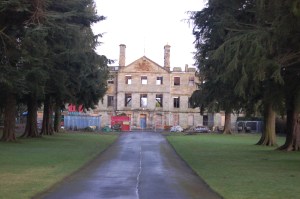
A recent picture of Leslie House

Is it appropriate for William Gray Muir to be a board member on Edinburgh World Heritage when he himself has failed so spectacularly to protect key parts of Scotland’s heritage?

Surprisingly, Edinburgh World Heritage – who are funded heavily from the public purse  – have made no comment on the proposals, despite Craighouse containing key views in to the heritage site and being one of Edinburgh’s seven hills and part of the unique character of the city.

In our letter to Joan Stringer, Principal of Napier University, we specifically asked:

 “Why are we being shown dry and wet rot in the buildings under the Partnership’s care, and no such deterioration in the buildings still under Napier’s care? Are the Partnership maintaining the buildings to a lower standard than Napier? Why is it taking so long to fix the dry rot problem, which the partnership have been talking about for months?”

Napier, however, have chosen to remain silent on the matter.

An FOI requesting further information about the dry rot resulted in no information from the University that, as joint partner in this planning process, are set to benefit financially to the tune of about £1.5million according to Joan Stringer  from the development which sees 182 new residences created – 116 of which will be luxury houses and apartments built across protected land of Great Landscape Value.

Dame Joan Stringer steps down as Principal

Yesterday, less than a month after releasing a press statement making accusations of an “emotive disinformation campaign”, Dame Joan Stringer announces to the press that she is to  stand down as Principal. In a statement to the Evening News, she specifically denies this decision was prompted by the controversy surrounding the Craighouse development.

The Friends don’t believe that questioning the lack of documentation and evidence of adherence to due process is “emotive”: but is to do with the propriety and probity that is a mandatory requirement for such publicly funded institutions.  It is in the public interest to understand how Napier, a public institution, made its decision to sell to Mountgrange and so, we continue to urge her to release all the documentation that Napier holds concerning the tender process for this multi-million pound deal which would explain precisely why Mountgrange won the bid for this sensitive historic site.

Maintain the site properly and Produce Reasonable Plans or Sell

It is paramount that the planners and the local community stand firm.

It would make a mockery of the entire system if the Craighouse Partnership are granted excessive new-build whilst their own buildings are allowed to deteriorate in this way.

Granting consent to build on this beautiful and highly protected site would set a truly dangerous precedent  – something that cannot be under-estimated – and would put innumerable green spaces and historic buildings under potential threat .

If we care about the city’s heritage we must stand firm and demand The Craighouse Partnership treat Craighouse with the respect it deserves. They must maintain the site properly and produce reasonable plans.

Or do the honourable thing and sell it to someone who will.


The Friends of Craighouse Letter to the Council:

Wednesday 6th June 2012

Dear Sir / Madam,

RE: Dilapidations at Craighouse Estate, EH10 5LG

It has come to our attention that some of the grade-A listed buildings at the Craighouse estate [1][2] may be falling into a state of disrepair.  The current leaseholder of the estate appears to be Edinburgh Napier University and the owners appear to be Craighouse Ltd (Isle of Man) which is in turn owned by the MoREOF fund administered by Mountgrange Investment Management LLP.  A development consortium, The Craighouse Partnership, has lodged pre-consultation process with your department as a prelude to a full planning application; the consortium comprises Edinburgh Napier University, Mountgrange and Sundial Properties.

Our observation is based on the following schedule:

  1. On or around November 2011, The Craighouse Partnership intimated on their website that wet-rot was discovered in Bevan House and both wet-rot and dry-rot had been discovered in South Craig.
  2. During a site visit on the 14th March 2012, we were shown examples of dry-rot damage to one of the villas by Heneage Stevenson of Mountgrange and William Gray-Muir of Sundial.
  3. In a document prepared by The Craighouse Partnership to present at the Community Liason Forum[4] dated 14th March 2012, there are outlined similar problems of dry-rot and wet-rot in South Craig, a major wet-rot problem in Bevan House and rising damp in East Hospital.
  4. In an Edinburgh Evening News article published on Wednesday 28th March 2012[3], William Gray-Muir of Sundial has been quoted as saying “Some of them that were vacated last year are already suffering from dry rot. Others could go into rapid decline”.
  5. The issue of dry-rot is raised again in the Community Laison Forum minutes of Wednesday 28th March 2012.
  6. In an article written by William Gray-Muir in the Edinburgh Reporter[5] published on the 30th March 2012, he states inter alia,“Despite continued heating and regular inspections, the listed buildings at Craighouse are starting to show signs of significant deterioration.  Remedial work has already been undertaken at South Craig and Bevan to address outbreaks of wet and dry rot, but the longer these vulnerable buildings are left vacant, the more at risk they will become.”
  7. In an article in the Edinburgh Evening News published on Thursday 24 May 2012, William Gray-Muir[6] is quoted as saying, “…[the buildings]  are already being affected by dry rot because they’re lying empty”.

Furthermore, there is a page on The Craighouse Partnership‘s website which shows the apparent repairs[7] to the rot damage.  By inspecting the metadata, one can determine that the last update to the page was on the 24th April 2012 with the photographs shown having been taken at an earlier point in time, on the 27th February 2012.

Sundial advertise themselves as “…leaders in the restoration and development of inspirational and historically-important residential properties in Edinburgh”MoREOF is putatively of circa £300m[5] in size.  In light of this, one would have thought that taking such length of time to remedy problems which are – at this early stage – easily fixed, is a significant delay.

With due consideration to the situation, we ask the Planning Department at the City of Edinburgh Council to undertake any necessary investigations and enquiries to determine the current condition of the buildings at the Craighouse estate.  In the event that the buildings are indeed falling into a state of disrepair we trust that the Planning Department to undertake whatever action is required to properly preserve the buildings, if necessary up to and including exercise of any relevant powers conferred by Part I Chapter V of the Planning (Listed Buildings and Conservation Areas) (Scotland) Act 1997.

Thank you for your assistance.

[1] – HB Number 27736, http://hsewsf.sedsh.gov.uk/hslive/hsstart?P_HBNUM=27736

[2] – HB Number 28046, http://hsewsf.sedsh.gov.uk/hslive/hsstart?P_HBNUM=28046

[3] – http://www.scotsman.com/edinburgh-evening-news/edinburgh/new-details-on-plans-for-craighouse-1-2200368

[4] – http://www.edinburghcraighouse.co.uk/wp-content/uploads/2012/03/140312-CCLF-Presentation-for-First-Meeting.pdf

[5] – http://www.theedinburghreporter.co.uk/2012/03/opinion-by-craighouse-partnership-on-their-proposed-development/

[6] – http://www.scotsman.com/edinburgh-evening-news/features/row-brews-over-craighouse-campus-plans-1-2315445

[7] – http://www.edinburghcraighouse.co.uk/conservation/

[8] – http://www.sundialproperties.co.uk/

Posted in Uncategorized | 3 Comments

Full Feature Article in the Evening News today

Gina Davidson from the Evening News came out to see the site for herself and was blown away:

ARTHUR’S Seat sits proudly against the blue of the May sky. Edinburgh Castle’s flags are a slight fluttering in the distance. To the right there’s Blackford Hill, a gorse-covered mount rising above the tree tops.

It’s noon and this sun-lit view of the Capital can only be found in one spot – the orchard of the Craighouse parkland.

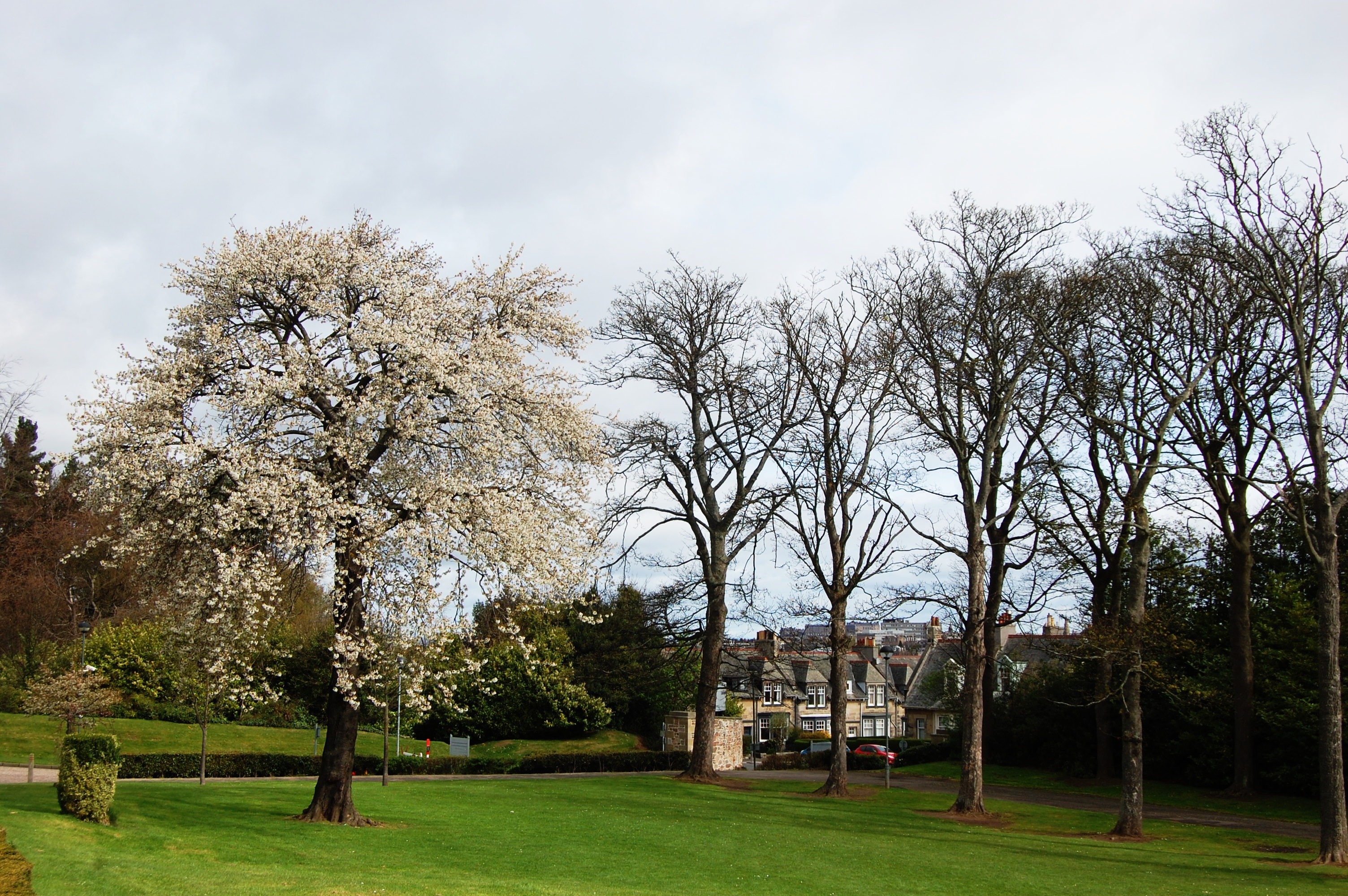
Turn your eyes north and stretched out in front of you is a sweep of daisy-strewn grass, the cherry blossom trees are in the pinkest of health, the shades of green in the wood dappled by rays of light.

Click here to read the full feature article  on Craighouse containing interviews with members of the Friends and William Gray Muir for the The Craighouse Partnership in today’s Evening News.

Posted in Uncategorized | 2 Comments

Past to Present: letter from Craighouse Psychiatrist; access, social history and humanity at Craighouse

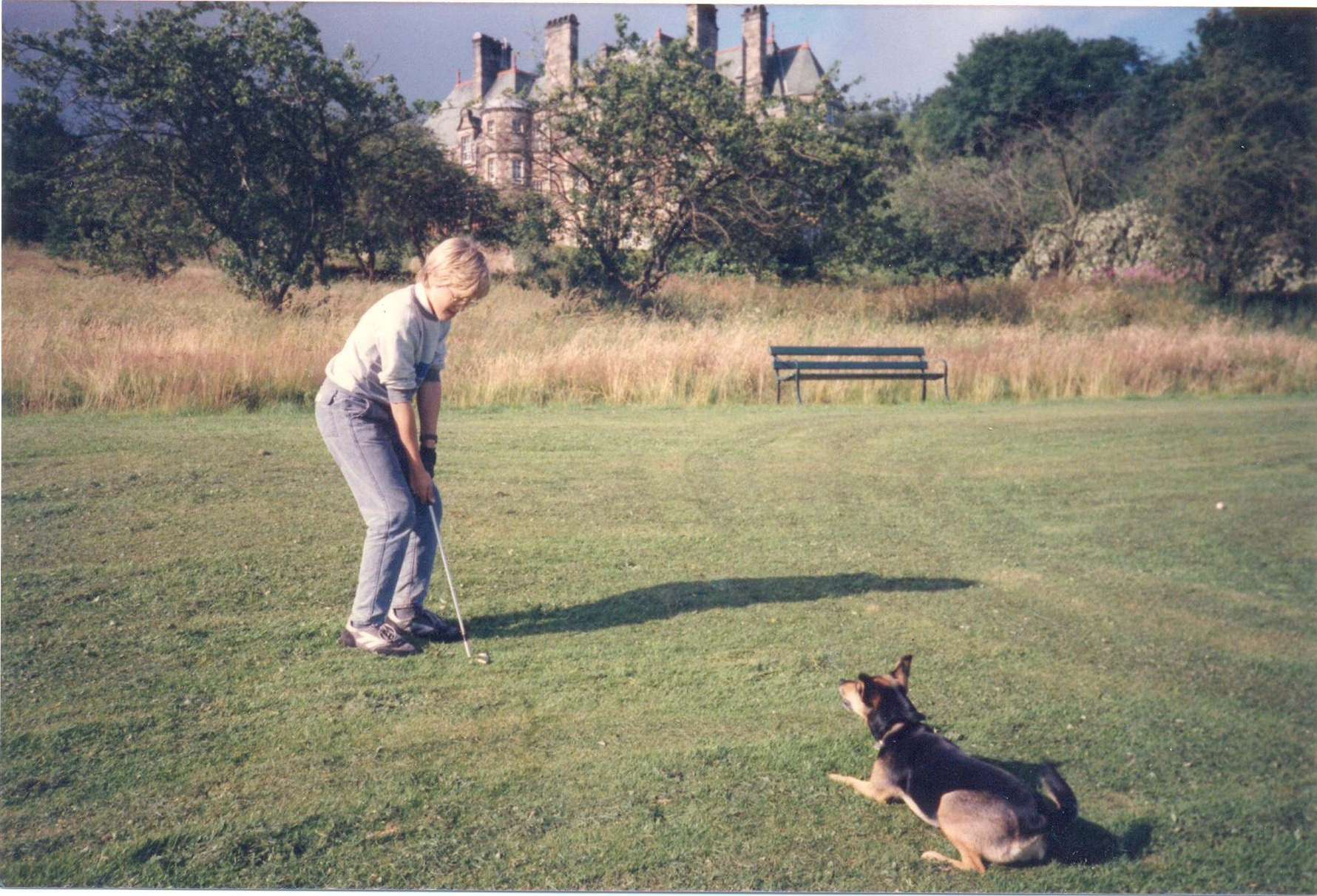
A local resident playing golf in the past

Craighouse has a long history and we have recently received a fascinating letter from someone who worked at the hospital as a Psychiatrist in the 60s who lived on Craiglea Place.

This letter is both fascinating in terms of the special nature of the site in terms of wildlife and the general public – reiterating  how the site has been used by the general public in the 60s – but also in terms of its medical history. The letter outlines the succession of doctors and psychiatrists who worked there and emphasises their humanity as well as their contribution to medical science. Which, of course, is partly what the design of the grounds at Craighouse was originally about.

I have not included names and addresses here on the internet, but I have the full hand-written letter in my possession if anyone would like to see it. I have not copied out the full part about all the practitioners, but here is a part of this lovely letter – a reminder of the past and also a reminder of what is important going forward.

Dear Rosy,

My daughter thought it would be helpful if I wrote to you about Craighouse. My interest is personal having, first of all, been raised in Greenbank Road from where we could see South Craig Villa. I was a member of the Merchants of Edinburgh Golf Club from 1950 to 1968 after marrying my wife [name removed] and I lived in Craiglea Place rented from the Royal Edinburgh Hospital from July 1965 to October 1968…

From October 1961 to October 1968 I was a trainee psychiatrist at Craighouse including 4 years as a Senior Registrar before leaving to take up a consultant post in Paisley.

The grounds were always open and accessible for walks and picnics when the girls were small. This was as an ordinary citizen on my part and not an NHS employee. If I remember rightly, there was no law of trespass in Scotland and assume this is still so.

There was always much wild life about and, in particular, I remember how often we used to hear and see owls.

This was a major wild life corridor, as modern terminology has it, with various habitats – woods, grassland, a large orchard and so forth. Morningside has a population hugely expanded since my early days and the population needs a “lung” so to speak. I would certainly like to think our daughter and her children would have the access we did.

Experience shows that once such an environment goes, through greed or ignorance or both, it has gone forever, often times closed off, gated “communities” appear instead. Talk of conservation and protection of biological diversity fades.

Although the following is not directly related to our subject matter I thought you would be interested in Craighouse Hospital as it was in the 1960s. The public probably thought of it as the old asylum with its long term “inmates”.

There were about 300 beds which included acute admission units with a turnover greater than all of the Andrew Duncan Clinic down the road off Morningside Park.

In the early 60s the patients were in what were designated amenity beds which meant that they paid £4-50 a week for better “amenities”. This meant that there was some social class difference. However, this measure was phased out by the mid 60s.

Craighouse in the 70s

The only consultant in the early 60s was Dr Elizabeth Robertson…She was highly respected at national level and known for her research and publications on Alzheimers Disease and other forms of dementia. She kept alive the interest in this branch of Psychiatry when no one else seemed to be. She ensured high standards of treatment and care and in the training and academic teaching of the medical staff. There were 2 Senior Registrars, 2 Registrars and 2 Senior House Officers.

The letter then talks in detail about various doctors and consultants, emphasising the humanity and eminence of many who worked there, including Dr Ashcroft, for whom an obituary was enclosed with the letter. The letter tells me that he was a giant of Biological Psychiatry and:

“also a very humane doctor and a respected practitioner of Psychotherapy. The media tend to divide psychiatrists into biological determinists and psychotherapists – two opposing poles…He was a key researcher into the discovery of the causes of depressive illness and Alzheimers’ Disease and, in Aberdeen, the development of MRI scanning.”

The letter ends by wishing us the best of luck with our campaign.

I would like to thank the sender for this lovely piece of social history, a real glimpse into the past and a reminder of much of the thinking that runs through the history of Craighouse. Just as he mentions in the case of Dr Ashcroft, wellness and wellbeing at Craighouse was about treatment, yes, but also about the environment. The thinking behind the original way the grounds and buildings are set out; the way the landscape invites its users to enjoy the views (see Cockburn Association letter).

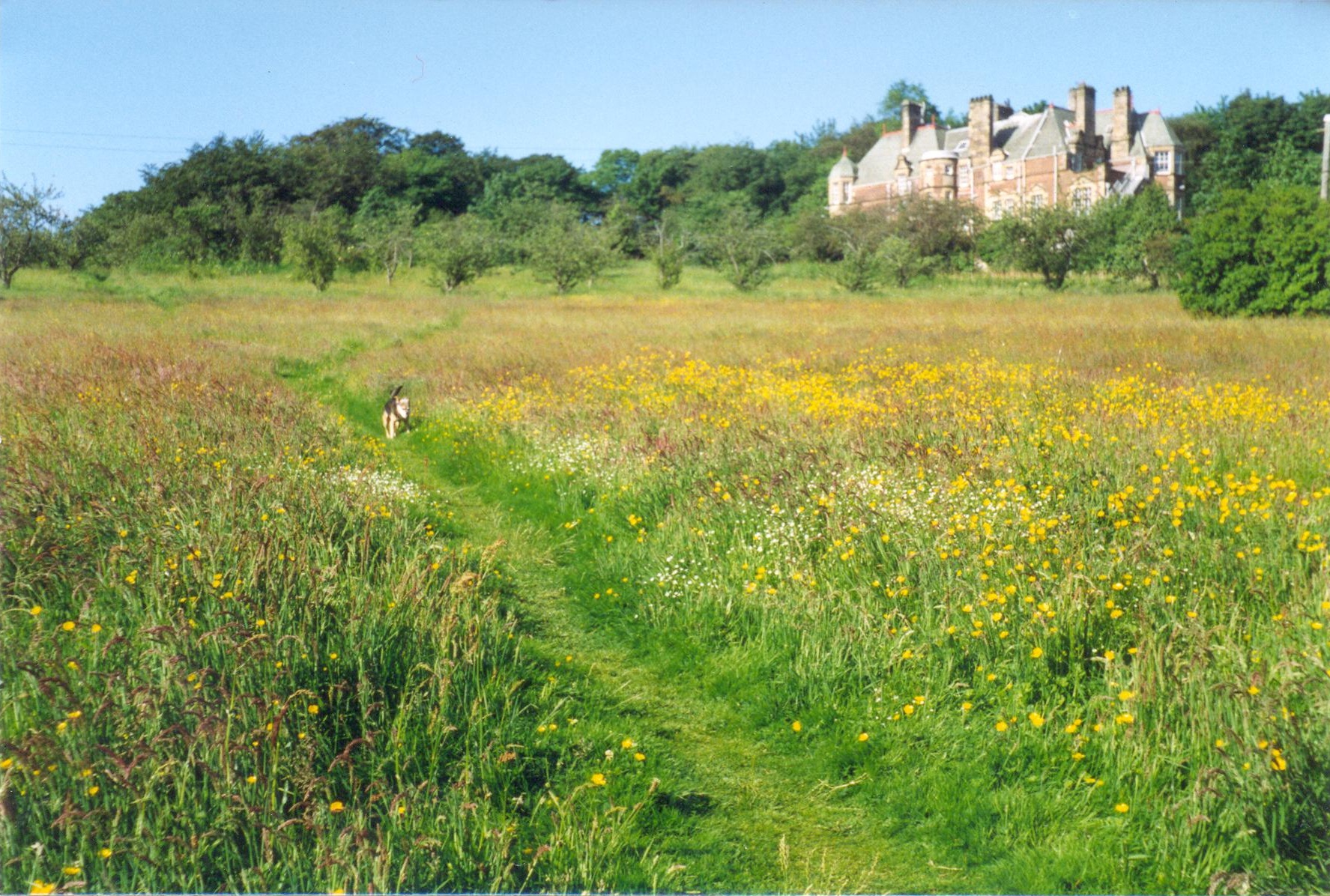
Craighouse today

We need to remember that the views, the grounds, the semi-natural parkland, have all been designed with this in mind, and continue to be important to people’s feeling of wellbeing today.

The writer of this letter hopes his grandchildren can continue to enjoy this fabulous site. As do I – along with all the other wonderful green spaces in Edinburgh that we can enjoy presently but that would be at risk if the developers are allowed excessive new-build at Craighouse.

Posted in Uncategorized | Leave a comment

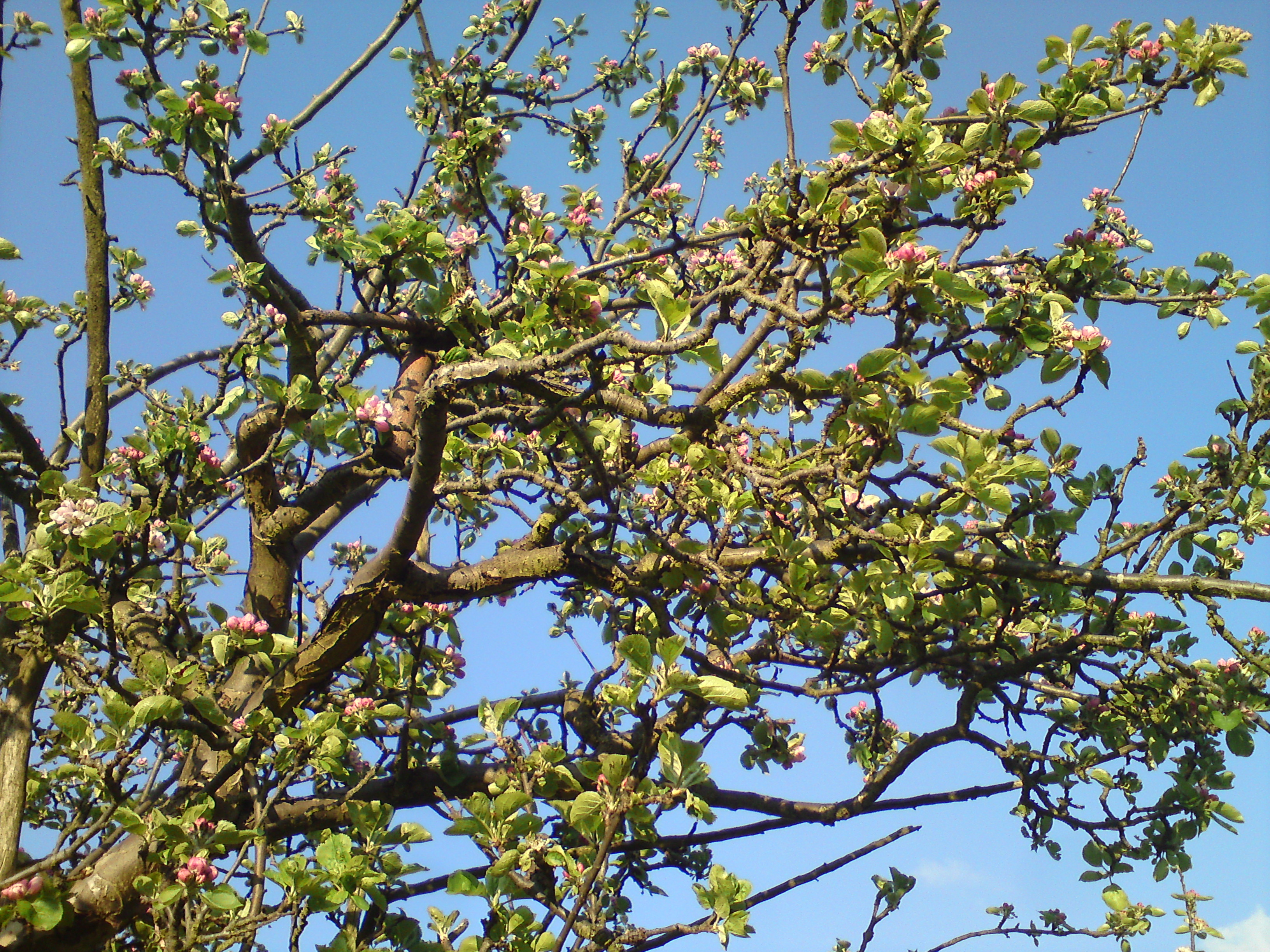
Orchard in Blossom

Posted in Uncategorized | Leave a comment

A Big Shout Out to our Local Shops and Businesses

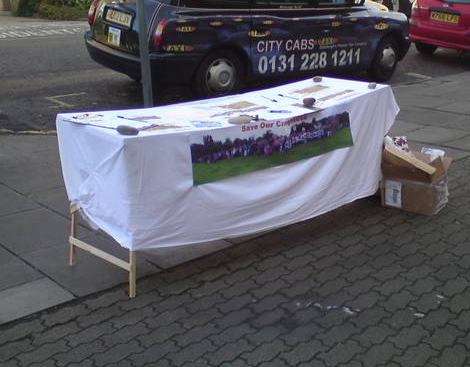
A picture of our doughty petition table

Friends Of Craighouse are thrilled by the amount of support   from local businesses who are displaying our posters or acting as petition points.

We would like to recognise this tremendous effort by publicly thanking them, so many many thanks go to :

Bennets Bar, Maxwell Street

The Clock Cafe & Bistro, Morningside Road

The Zulu Lounge South African Cafe, Morningside Road

Rymers Vet, Morningside Road

Caffe e Cuccina, Italian Restaurant & Coffee Shop, Morningside Road

Doyles Newsagent, Comiston Road

New Xian Chinese Carry Out, Comiston Road

The Evening News Shop and General Store, Comiston Road

Margiotta Food & Wine Store, Comiston Road

Leaf & Bean Cafe / Restaurant, Comiston Road

Vino Wines, Comiston Road

The Waiting Room Pub & Restaurant, Belhaven Terrace

Craiglockhart Post Office, Colinton Road (Craiglockhart Shops )

Sugarcube Cafe, Colinton Road (Craiglockhart Shops )

If you have not already signed our petition, you can pop into any of these places to do so.

Local shops and businesses are a really important part of our local community life and we’d like to encourage everyone to support them in turn.

Posted in Uncategorized | 1 Comment

Napier Principal Dame Joan Stringer Issues Public Attack on the Friends

This area would disappear under part of a huge housing development

Two weeks ago we sent a letter to Dame Joan Stringer of Napier University outlining 8 pages of detailed factually-based researched questions about the sale of Craighouse campus and the exact involvement of the university in The Craighouse Partership’s proposals to build new build development over some of the most beautiful, loved and protected parts of this historic green site on Edinburgh’s seventh hill.

Yesterday, Edinburgh Napier University issued a press release to the newspapers responding to the letter which you can read here. This lead to two articles appearing in the Scotsman: this longer piece and a shorter one and another in the Evening news.

Dame Joan’s response was disappointing. More than that, it was needlessly antagonistic – accusing a community campaign with a petition of over  5000 local signatures of being an “emotive disinformation campaign” trying to discredit the university.

Disinformation means the intentional spreading of untrue information. This is a very serious charge to level against us. All the more so as Dame Joan fails to point out what information is untrue or that we know to be untrue.

In her reply to us, she further accuses our letter of making “unsubstantiated allegations”. You may read our letter here.

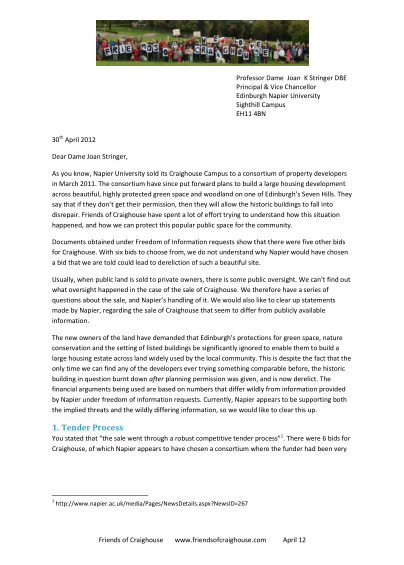
Letter to Joan Stringer, Principal of Napier University

It is a chunky read and that is precisely because it is so researched and is thorough in its quoted sources and substantiates its questions. Where is the substantiation for Dame Joan’s allegations against us? (Indeed, where is the substantiation for much of what Napier has issued about this development – from their claims about LA&P to dereliction threats?) What information have we released that is false? And what allegations have we made that are unsubstantiated?

We have asked straightforward questions, pointed out discrepancies between presentation and fact and offered opportunity for clarification or correction. Unfortunately Dame Joan’s response is to ignore this and issue accusations with no supporting evidence, facts, examples or corrections being offered.

It seems to be a case of simple name-calling.

Indeed, for someone who talks keenly about substantiation, Dame Joan Stringer seems to rely rather a lot on non-attributed quotes in her attack. Admitting that Napier still have money to be made from the development, Dame Joan claims this is in the region of £1.5million – disputing that Napier will make a (quotes) “killing” or “anywhere near the millions of pounds being quoted by certain individuals”. Where were these things quoted?  And what individuals said this? She also said that “certain individuals” appear to be attempting to “distort the facts”. Which certain individuals is she talking about and what “facts” have been distorted?

She talks of putting out the “true facts” – (as opposed to the other kind?)— and yet follows this up by ignoring the eight pages of questions put to her.

As another of our members stated, we would be delighted if Napier were to release the “true facts”. But where have they done this? Not on their website. Not in the community liaison forum (which they did not attend). Not in the exhibitions (where they were not represented). Not in answers to our letters and not by their heavy redaction of information released under FOI requests.

All in all, this makes for a rather unimpressive statement about a hugely controversial issue that is surely worth a little more of the Principal’s time and attention. It seems that Napier wishes to smear a local campaign whilst not answering the key questions about this highly controversial development and how Napier became part of a Consortium seeking to build across highly protected green space on Edinburgh’s seventh hill.

We will be replying to her letter and this statement in due course.

Posted in Uncategorized | 1 Comment

Cockburn Association Warns of Their Opposition if Plans go Ahead

Building on the parkland and orchard would be damaging, says Cockburn. “We would be likely to oppose such development were it to be submitted for planning permission.”

The Cockburn Association have added their voice to the growing opposition to the Craighouse Partnership’s plans to build 116 new houses over protected green space and some of the most beautiful and loved parts of the landscape at Craighouse.

In a letter to William Gray Muir, Director of Sundial Properties  – part of The Craighouse Partnership, the Cockburn’s director, Marion Williams writes:

There is no doubt that the Craighouse Campus is one of the most significant developments within Edinburgh due to the quality of the existing architecture, its setting, and position on one of the city’s seven hills.

The importance of the amenity of the site to the city is best appreciated along the Public Right of Way on the southern boundary. On this route to the summit of Easter Craiglockhart Hill the public are passing between the open land of the Merchants of Edinburgh Golf Course to the south and the open parkland to the north and it retains a continuity of recreational landscape. The path has views south to the Pentlands and spectacular views to the north east across the city to Arthur’s Seat and Edinburgh Castle; the design of the boundary wall allows people to stop, sit and enjoy these views. The view afforded to the city centre from this vantage point is better than that from the summit of Easter Craiglockhart Hill.

The open park and wooded hill are also the setting for the category A-listed former Royal Edinburgh Asylum by Sydney Mitchell & Wilson architects. The parkland was created as the setting of the Asylum as is clear from the route of the paths established round the perimeter, whether for access or for patients to walk. Building on the south or east of the open grass would change the historic setting to an urban character when it should remain semi-natural.

The letter carefully outlines the designations on the site that have come into being since 1992 and that clearly override the Partnership’s attempts to claim any continuing relevance of the 1992 brief:

While we appreciate the City of Edinburgh Council had marked the south of the Campus for development in 1992 subsequent designations as Open Space and an Area of Great Landscape Value should now predicate against development and the pending Special Landscape Area designation reinforces this. The latter landscape designation acknowledges the importance of the setting of the former asylum, as does the Craiglockhart Hills Conservation Area Character Appraisal. We also note that the Edinburgh Skyline Study identifies Easter Craiglockhart Hill as a Key view to the Castle (S4b) which cannot be seen from the summit but from the open area to the south of the campus.

The letter concludes that any building on the South of the site including the orchard/parkland would be damaging and The Craighouse Partnership is advised that any development here would likely meet the opposition of the Cockburn Association.

“In light of the recognised high quality views across, within and out of the site, and from Blackford Hill to Easter Craiglockhart Hill the Association is strongly of the opinion that any building on the south of the site would damage these existing views…We would be likely to oppose such development were it to be submitted for planning permission in our role as a civic organization entrusted with preserving the high quality of Edinburgh’s landscape and amenity spaces.”

In addition, Williams’ letter says the development proposed around the carpark will have a significant impact upon views of the historic buildings from the gate lodge and the letter makes it clear that the Cockburn remains to be convinced of the Partnership’s case for enabling development – the letter noting that whilst “The restoration of the former asylum buildings is welcomed…the Association remains to be convinced of the necessity of such extensive enabling development”.

The Cockburn Association is the latest of a long line of organisations and individuals lining up in opposition to the proposals including Morningside Community Council and Merchiston Community Council (click to read their statements), MSP Jim Eadie, MSP Alison Johnstone, MP Ian Murray and a petition of over 5000 local people who want to preserve the green space and woodland from newbuild development.

Posted in Uncategorized | 2 Comments

Petition reaches the 5000 mark!

Credit: Edinburgh Evening News

We are delighted to announce that the petition has reached:

5000 signatures!!

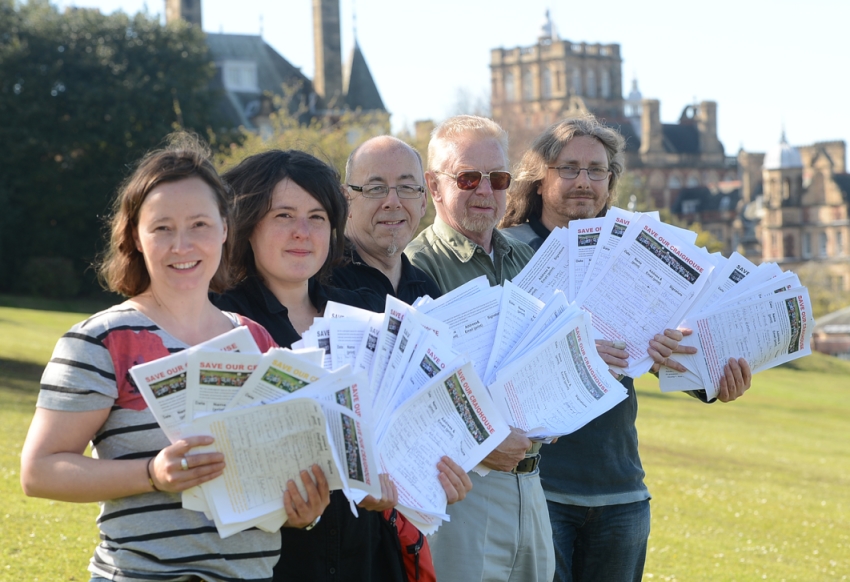
Whoop! The Evening News took this great photograph of us (including some of our top petitioners) clutching a huge mound of petitions in celebration.  People have asked us why we haven’t made the petition available online. And the reason is that we wanted to show the strength of local feeling. The majority of these petition signatures have been collected from our petition stall and our hard-working volunteers on the ground in Morningside and Craiglockhart and in local shops. If you want to sign it’s available in Craiglockhart post office and various shops in Morningside including the Zulu Lounge, The Clock cafe, Doyles newsagents, The Leaf Cafe, New Xian Chinese Takeaway and Margiotta’s.

Or download the petition from the sidebar on this website, print it out for friends and family to sign then email friendsofcraighouse.com and we’ll arrange to pick it up from you.

Posted in Uncategorized | 2 Comments